 Save
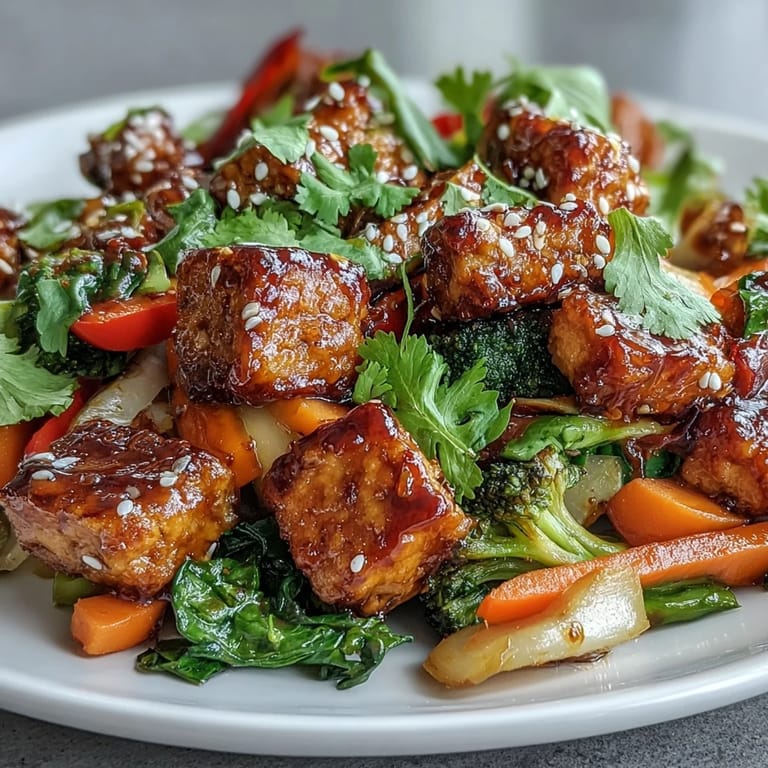
Save I stumbled onto tempeh stir-fry on a Tuesday evening when my fridge looked like a sad rainbow and I had exactly fifteen minutes before hunger won. The tempeh had been sitting in my cupboard for weeks, intimidating me with its unfamiliar texture, but something about the way those bell peppers caught the kitchen light made me think: why not today? What emerged from the wok was nothing short of magic—crispy, nutty tempeh dancing with vegetables that still had their snap, all pulled together by a sauce that tasted like someone who actually knew what they were doing had written it.
My partner always jokes that I cook stir-fries like I'm racing against the clock, but there's something beautiful about the speed and focus it demands. One Saturday, I made this for friends who'd just gone vegan, and watching them actually enjoy a plant-based dinner—really enjoy it, not just politely pick at it—was the moment I realized this wasn't just a weeknight shortcut anymore. It had become something I wanted to make for people I cared about.
Ingredients
- Tempeh: This fermented soy cake has a nutty, almost earthy depth that tofu can't quite reach, and it holds its shape beautifully when cubed and pan-fried.
- Red and yellow bell peppers: They add sweetness and brilliant color; I learned the hard way that cutting them into similar-sized pieces means they cook evenly.
- Carrot: Julienned thin so it softens quickly without losing its natural crunch and subtle sweetness.
- Sugar snap peas: These little pods are non-negotiable for texture; their pop is what makes every bite feel alive.
- Broccoli florets: Use smaller florets so they cook through in the short timeframe without turning mushy.
- Spring onions: Added at the very end to preserve their fresh, oniony snap.
- Garlic and ginger: The aromatic foundation that fills your kitchen with the smell of something intentional happening.
- Soy sauce: Use tamari if you're gluten-free; the umami depth is non-negotiable.
- Rice vinegar: Adds brightness and prevents the sauce from tasting one-note.
- Maple syrup or agave: A touch of sweetness that balances the soy's saltiness and vinegar's tang.
- Toasted sesame oil: Just a teaspoon goes a long way—it's intensely fragrant and brings everything together with warmth.
- Cornstarch: The secret to a sauce that clings and glistens rather than pooling at the bottom of the wok.
- Vegetable oil: High smoke point is essential; I use sunflower oil because it disappears into the background.
Tired of Takeout? 🥡
Get 10 meals you can make faster than delivery arrives. Seriously.
One email. No spam. Unsubscribe anytime.
Instructions
- Mix your sauce first:
- Whisk soy sauce, water, rice vinegar, maple syrup, sesame oil, and cornstarch together in a small bowl and set it aside. This isn't just efficiency—it gives the cornstarch time to distribute evenly so you won't get lumps when you pour it into the hot wok.
- Crisp the tempeh:
- Heat a tablespoon of oil in your wok over medium-high heat until it shimmers, then add tempeh cubes and let them sit undisturbed for a moment before stirring. They'll turn golden and nutty on all sides in about four to five minutes, developing a slightly crispy exterior that contrasts beautifully with their tender inside.
- Bloom the aromatics:
- Pour in your remaining oil, add garlic and ginger, and stir constantly for just thirty seconds—you want their fragrance to wake up but not burn. This is the moment your kitchen smells like something exciting is happening.
- Cook the vegetables:
- Add peppers, carrot, peas, and broccoli, then keep everything moving with your spatula for four to five minutes. You're looking for that magical moment when they've softened enough to bite easily but still have a slight resistance—not quite tender, definitely not soft.
- Bring it all together:
- Return the tempeh to the wok, give your sauce a quick stir, and pour it in. Toss everything constantly for one to two minutes as the sauce thickens and turns glossy, coating every piece.
- Finish with freshness:
- Remove from heat, scatter spring onions over the top, and add sesame seeds and coriander if you're using them. The residual heat will just soften the onions slightly while keeping their bite intact.
 Save
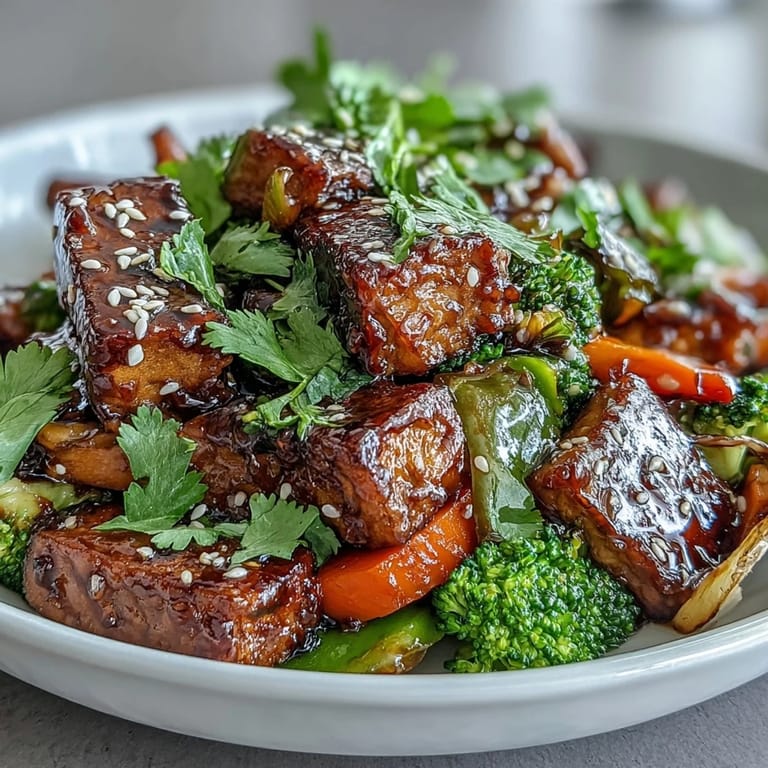
Save There's a moment in every stir-fry, right at the end, when you've got everything in the wok and you're tossing it all together, that feels almost meditative despite the heat and speed. It's the moment where individual ingredients become one unified thing, and that's when I know the dish has shifted from just dinner into something worth the effort.
Why Tempeh Matters
Tempeh is fermented, which means it's already broken down and easier for your body to digest than regular tofu, and it carries an almost mushroom-like umami that adds real depth to a stir-fry. The first time I tasted properly cooked tempeh—golden, slightly crispy on the edges—I understood why people got passionate about it. It's not trying to be chicken or pretend it's something else; it's just itself, nutty and substantial and ready to absorb whatever flavors you throw at it.
Building Layers of Flavor
A great stir-fry sauce isn't complicated, but it needs balance: saltiness from soy, sweetness to round it out, acidity to brighten it, a whisper of nutty sesame oil, and cornstarch to make it cling instead of run. I used to make sauce-less stir-fries, thinking vegetables could stand alone, and while they're fine, they're not memorable. The moment I started treating sauce as essential rather than optional, everything changed.
Timing and Temperature
The entire magic of stir-frying lives in two things: heat high enough that things actually cook quickly rather than steam, and speed that keeps everything from turning to mush. A slow stir-fry is just a sad braise, and nobody wants that. This is where a wok earns its space in your kitchen—its shape and heat distribution mean everything cooks evenly and fast, which is exactly what we're after.
- Keep your heat medium-high or high the entire time; if your wok isn't too hot to touch easily, it's not hot enough.
- Have all ingredients prepped and ready before you start cooking—there's zero time to chop once the wok is going.
- Use a spatula or wooden spoon you actually like holding, because you'll be using it constantly for two to three minutes straight.
 Save
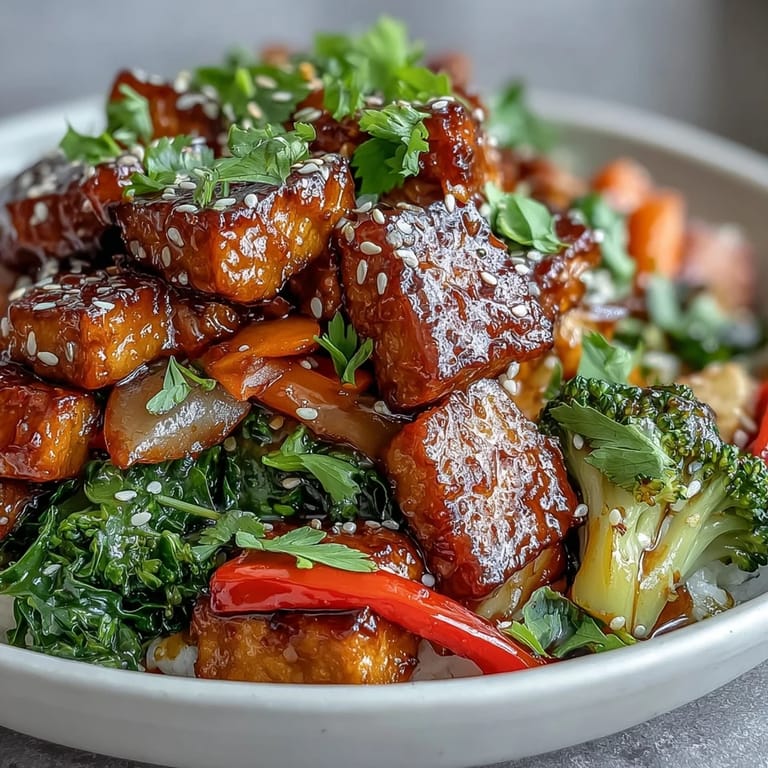
Save This stir-fry has become my answer to hunger, a healthy week night, and the desire to prove that plant-based cooking can be exciting rather than virtuous. Make it once, and it'll become the kind of recipe you return to again and again.
Recipe FAQs
- → How do I prevent tempeh from being bitter?
Steaming tempeh for 10 minutes before cooking removes any bitterness, though pan-frying as directed typically achieves excellent results without this extra step.
- → Can I use frozen vegetables instead?
Frozen vegetables work in a pinch, though fresh delivers better texture. If using frozen, thaw and pat dry before adding to prevent excess moisture in your final dish.
- → What vegetables work best for stir-frying?
Bell peppers, broccoli, snap peas, carrots, and mushrooms maintain texture beautifully. Avoid watery vegetables like zucchini or tomatoes which can make your stir-fry soggy.
- → How can I add more protein?
Edamame, cubed tofu, or cashews pair wonderfully with tempeh. Simply add during the final minutes of cooking to heat through without overcooking.
- → Is this dish freezer-friendly?
Best enjoyed fresh for optimal texture. The sauce can be prepared ahead and stored refrigerated for up to 3 days, then reheated with freshly cooked tempeh and vegetables.