 Save
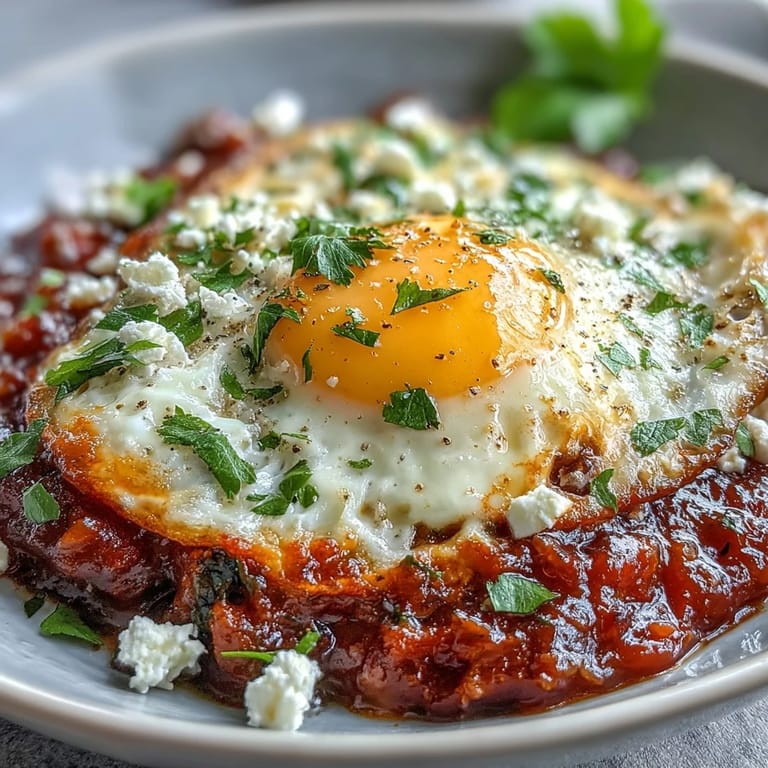
Save There's something about the smell of cumin hitting hot oil that instantly transports me to a breakfast table in Tel Aviv, though I've never been there—shakshuka just has that effect. My neighbor brought me a steaming skillet one Saturday morning, and I watched, mesmerized, as she cracked eggs directly into this bubbling tomato sauce like she was performing magic. I've made it dozens of times since, and it never fails to turn a quiet morning into something worth waking up for. The combination of spiced tomato sauce and runny yolks feels both indulgent and honest, like something your grandmother knew how to make without ever needing a recipe.
I made this for my partner on a random Tuesday when we were both running late, and somehow the kitchen filled with this incredible aroma that made us both stop and actually sit down together. We tore up some bread, dipped it in the runny yolks, and suddenly we weren't rushing anymore. That's when I realized shakshuka isn't really a recipe—it's permission to slow down.
Ingredients
- Olive oil (2 tbsp): This is your foundation, so don't skimp or use something flavorless; good olive oil carries the whole dish.
- Large onion and red bell pepper: These soften into the sauce and become almost sweet, creating the base that everything else builds on.
- Garlic (3 cloves, minced): Add it after the peppers soften or it'll burn and turn bitter—timing matters more than you'd think.
- Crushed tomatoes (28 oz can): Canned is actually better than fresh here because you need the acidity and consistency; fresh tomatoes can make the sauce watery.
- Chili pepper (optional, finely chopped): This adds a whisper of heat that doesn't overwhelm; adjust based on your tolerance.
- Ground cumin (1 tsp): Cumin is the soul of this dish—it's warm and earthy and makes everything taste intentional.
- Sweet paprika (1 tsp): This adds color and a gentle smokiness without harsh heat.
- Ground coriander (1/2 tsp): It's subtle but creates depth; don't skip it even though you can't quite taste it directly.
- Cayenne pepper (1/4 tsp, optional): This is your heat dial—use it if you want a little kick, skip it if you prefer gentler mornings.
- Salt and black pepper: Taste as you go; the tomatoes contribute saltiness, so hold back a little at first.
- Large eggs (4): Room temperature eggs slip into the sauce more gently than cold ones.
- Fresh parsley or cilantro for garnish: The brightness at the end transforms the dish from hearty to alive.
- Feta cheese (50 g, crumbled, optional): It adds salty creaminess that plays beautifully against the runny yolks.
Tired of Takeout? 🥡
Get 10 meals you can make faster than delivery arrives. Seriously.
One email. No spam. Unsubscribe anytime.
Instructions
- Heat your oil and build your base:
- Pour olive oil into a large skillet over medium heat and let it warm until it shimmers slightly. Add your diced onion and red bell pepper, then cook for 5 to 7 minutes, stirring occasionally, until they've softened and the onion starts to turn golden at the edges.
- Wake up the aromatics:
- Stir in your minced garlic and finely chopped chili pepper, cooking for just about 1 minute until the kitchen fills with that unmistakable garlic smell. Don't walk away here—you want fragrant, not burnt.
- Build the sauce:
- Add your crushed tomatoes along with the cumin, paprika, coriander, cayenne, salt, and pepper, stirring everything together until the spices are fully dissolved into the sauce. This is where the magic happens—the spices bloom into the tomatoes.
- Let the sauce develop:
- Simmer uncovered for 10 to 12 minutes, stirring occasionally, until the sauce thickens and deepens in color and the raw tomato taste mellows into something richer. You'll notice the oil starting to separate slightly at the edges, which is exactly what you want.
- Create your egg wells:
- Using the back of a spoon, make 4 gentle wells evenly spaced around the sauce, creating little pockets where your eggs will nestle. The sauce should still be actively simmering when you do this.
- Crack and nestle:
- Crack one egg into each well, being careful not to break the yolks—they're the best part. If a yolk breaks, just accept it and move forward; it'll still taste wonderful.
- Finish with a gentle simmer:
- Cover the skillet and reduce heat to medium-low, cooking for 6 to 8 minutes until the egg whites are set but the yolks still jiggle slightly when you give the pan a gentle shake. If you prefer firmer yolks, leave it covered a bit longer, but honestly, runny is where it's at.
- Finish and serve:
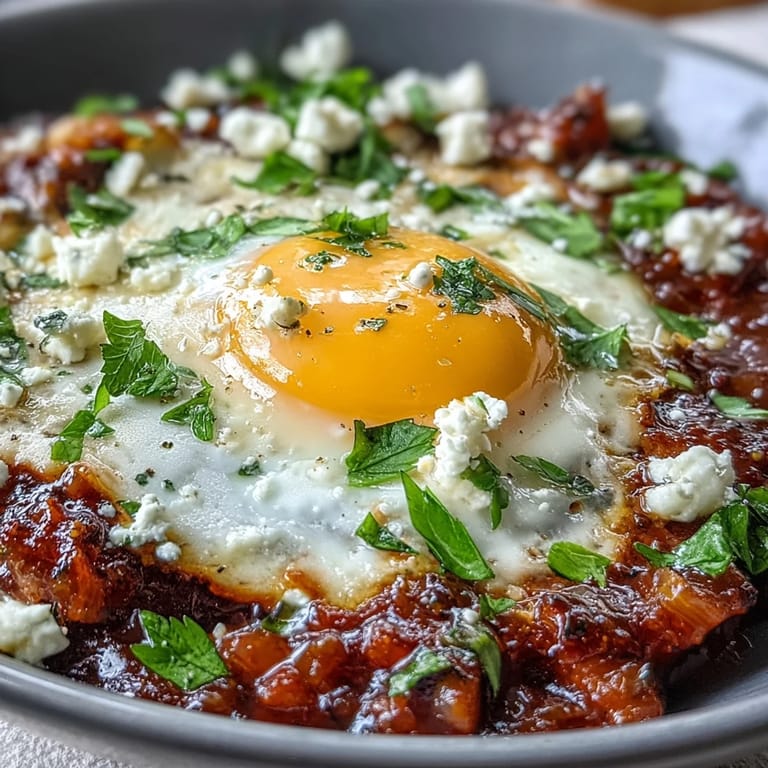
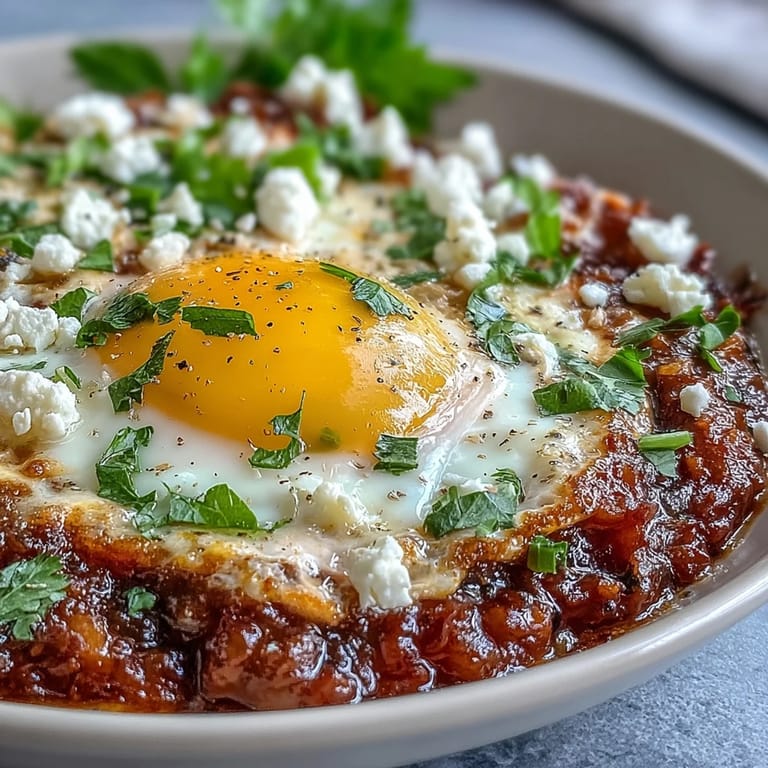
- Remove from heat, scatter your fresh herbs and crumbled feta over the top, and serve immediately straight from the skillet with warm bread for dipping.
 Save
Save I once made this for a table of eight people, which sounds ambitious until you realize one skillet feeds everyone and they're all hovering around it, passing bread, arguing playfully about whether cilantro or parsley is better. By the end, the pan was empty and nobody wanted to leave the table—that's the power of a dish that brings people together without fuss.
Flavor Layers You Can Adjust
Shakshuka is forgiving because the sauce is where all the personality lives, and you can shift it in any direction you want. If you like smokiness, add a pinch of smoked paprika or a tiny bit of harissa stirred in at the end. If you want it sweeter, roast your red peppers beforehand or add a pinch of honey to the sauce. The spice blend is balanced but not rigid—I've made it with extra coriander for earthiness, less cayenne when cooking for people who prefer gentler heat, and even added a touch of cinnamon once because I had it open on the counter and felt curious.
Bread Pairings and Dipping Strategies
Crusty bread or warm pita aren't optional—they're how you actually eat shakshuka, using them to scoop up sauce and egg yolk together. I've tried it without bread out of necessity once and the whole experience felt incomplete, like something was missing. Warm flatbread soaks up the sauce beautifully, while crusty bread gives you that satisfying crunch and structural integrity for loaded bites.
Make It Your Own
The vegetable component is your playground—I've added zucchini, mushrooms, spinach, and even roasted eggplant depending on what's in the kitchen. The sauce is sturdy enough to accommodate almost any addition, and sometimes the best version is the one you're forced to improvise on a random Tuesday. For a vegan version, omit the eggs and stir in sautéed tofu or chickpeas instead, letting them warm through in the sauce for a few minutes before serving.
- Smoked paprika and a touch of harissa add complexity that feels restaurant-quality and takes two seconds to stir in.
- Make the sauce a day ahead and reheat it gently before cracking in the eggs—it actually tastes better after the spices have a night to settle.
- Serve in individual bowls straight from the skillet if you're cooking for guests, letting each person top their own with herbs and cheese.
 Save
Save Shakshuka has become my answer to almost every question—tired morning, unexpected guest, want to feel accomplished without effort. It's honest food that asks very little and gives back everything.
Recipe FAQs
- → What is shakshuka?
Shakshuka is a North African and Middle Eastern dish of poached eggs in a sauce of tomatoes, chili peppers, onions, and spices. The eggs cook directly in the simmering sauce, creating a satisfying combination of runny yolks and flavorful tomato base.
- → How do I know when the eggs are done?
Cook covered for 6–8 minutes. The whites should be fully set and opaque, while yolks remain slightly jiggly when you gently shake the pan. For firmer yolks, cook an additional 2–3 minutes.
- → Can I make shakshuka ahead of time?
The tomato sauce can be made up to 2 days ahead and refrigerated. Reheat gently, then create wells and add fresh eggs when ready to serve. The dish is best enjoyed immediately after cooking the eggs.
- → What should I serve with shakshuka?
Crusty bread, warm pita, or flatbread are essential for soaking up the sauce. Fresh herbs like parsley or cilantro add brightness, while crumbled feta provides a salty contrast to the rich tomato base.
- → Can I make shakshuka vegetarian or vegan?
The traditional version is naturally vegetarian. For vegan adaptations, omit eggs and add protein-rich alternatives like chickpeas, sautéed tofu cubes, or white beans directly to the simmering sauce.
- → How spicy is shakshuka?
The heat level is easily adjustable. The cayenne and fresh chili provide mild warmth, but you can increase or decrease these amounts. For extra depth, add smoked paprika or a spoonful of harissa paste.