 Save
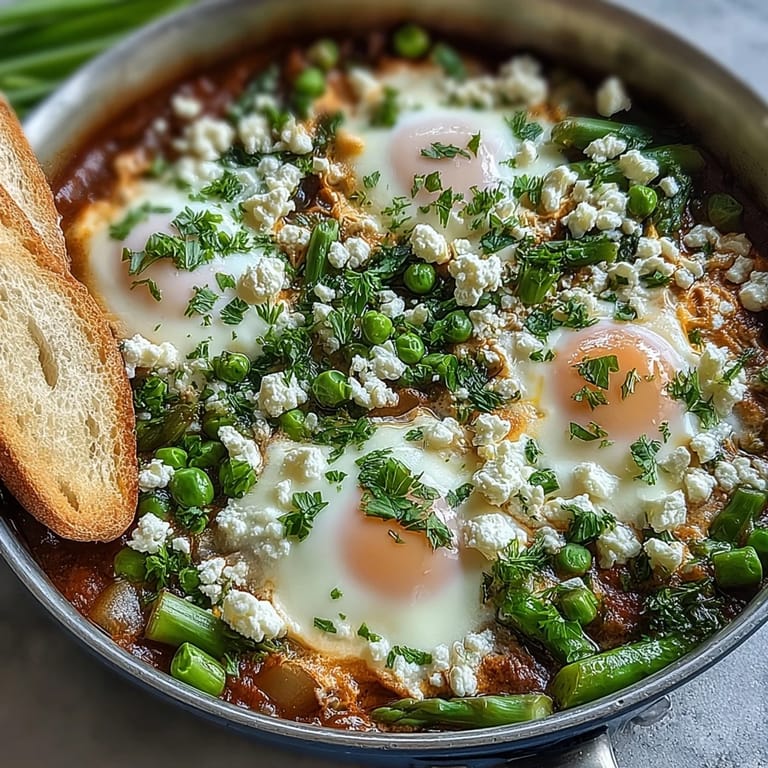
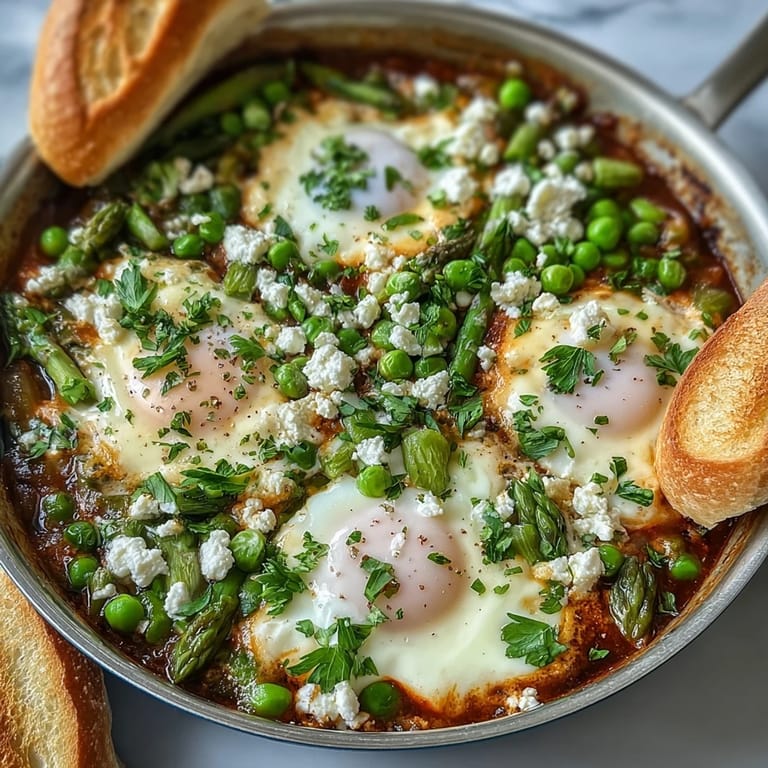
Save There's something about spring that makes me crave eggs nestled in a vibrant sauce, and this pea and broad bean shakshuka arrived in my kitchen on a whim one April afternoon. I'd picked up a bunch of asparagus at the market, feeling that particular pull toward green vegetables that only happens when winter finally releases its grip. What started as a simple improvisation became something I found myself making again and again, each time tweaking the spice balance or hunting for the freshest herbs. The beauty of it is that it tastes like you've spent hours in the kitchen when really, you've barely broken a sweat.
I served this to a friend who'd been skeptical about vegetarian cooking, and watching her tear off a piece of bread to soak up that tomato-egg mixture changed something. She came back the next week asking for the recipe, and now it's part of her regular rotation too. Those small moments, when food becomes a conversation starter instead of just sustenance, are why I keep coming back to dishes like this.
Ingredients
- Fresh or frozen peas and broad beans: Buy frozen if fresh isn't available; they're picked at peak ripeness and honestly cook just as beautifully, though blanching them first keeps their color vibrant and stops them from turning mushy in the sauce.
- Asparagus: Trim the woody ends where they naturally snap, and cut everything into uniform pieces so they cook evenly without some bits turning to mush.
- Onion and red bell pepper: The onion softens into the base, while the bell pepper adds sweetness that balances the spices without needing sugar.
- Tomato paste and canned tomatoes: The paste concentrates flavor, so don't skip it, and good canned tomatoes matter more here than fresh ones ever could.
- Cumin, smoked paprika, and coriander: These three create the soul of the dish, warm and slightly earthy without overwhelming the vegetables or eggs.
- Eggs: Use the freshest ones you can find because you'll see them in all their glory, and fresher eggs hold their shape better as they poach in the sauce.
- Feta and fresh herbs: The feta adds a salty contrast that cuts through the richness of the yolks, while parsley or mint brings freshness at the very end.
Tired of Takeout? 🥡
Get 10 meals you can make faster than delivery arrives. Seriously.
One email. No spam. Unsubscribe anytime.
Instructions
- Get the beans ready:
- Drop your peas and broad beans into boiling salted water and count to two minutes, then immediately move them to an ice bath to stop the cooking and set their color. This step feels like a small ritual, but it's what keeps them from becoming little gray pellets.
- Build the base:
- In a large, deep skillet, warm olive oil and add your chopped onion and bell pepper, letting them soften and turn translucent over medium heat. Once they're giving off a sweet smell, you're ready for the next step.
- Wake up the spices:
- Stir in the minced garlic and all your spices, cooking just until the kitchen smells like warm cumin and paprika, maybe a minute at most. This brief moment transforms everything that comes next.
- Create the sauce:
- Add tomato paste first, stirring it into the aromatics for a moment, then pour in your canned tomatoes and let it all simmer gently for about ten minutes, stirring now and then until the sauce thickens slightly and loses that raw tomato taste. You'll notice it becoming deeper in color and richer tasting.
- Add the vegetables:
- Scatter in your blanched peas, broad beans, and asparagus pieces, season with salt and pepper, and let everything simmer together for five to seven minutes until the asparagus is tender but still has a bit of bite. Taste as you go because you might want more salt than you expect.
- Nestle in the eggs:
- Use the back of a spoon to create four small wells in the vegetable mixture, then gently crack an egg into each one, cover the pan, and lower the heat to medium-low. Cook until the whites are set but the yolks still jiggle slightly when you move the pan, about seven to ten minutes depending on your stove.
- Finish and serve:
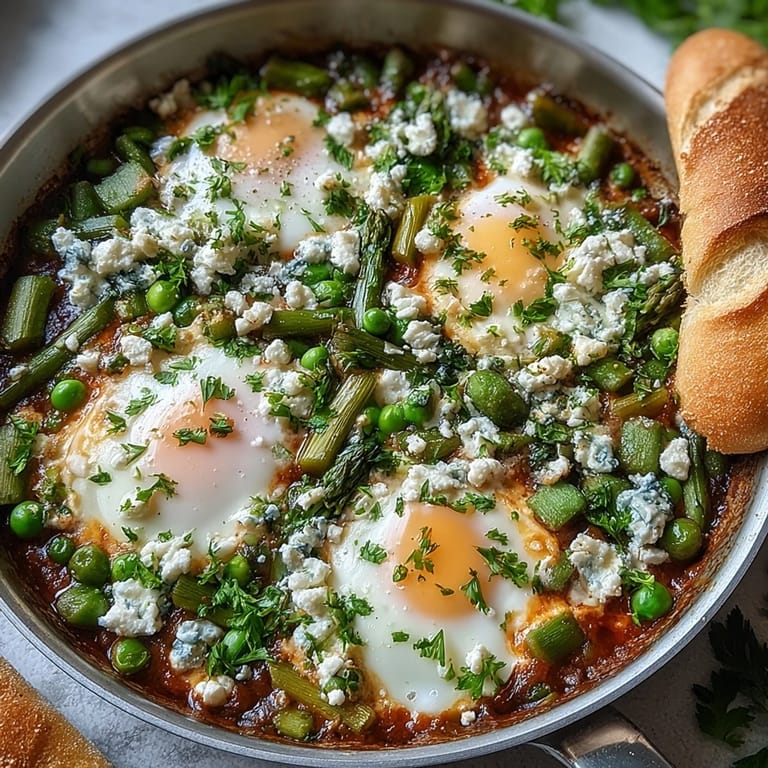
- Take it off the heat, scatter feta over everything, shower it with fresh herbs, drizzle with good olive oil, and bring the whole skillet to the table alongside bread for scooping. That's when the real magic happens.
 Save
Save My mother once said that shakshuka is the kind of dish that makes people linger at the table longer than they planned, and I finally understand what she meant. There's something about sharing from a single skillet, everyone reaching in with their own bread, that turns a meal into a moment.
Variations and Adaptations
This recipe is wonderfully flexible, and I've learned that shakshuka is less about rules and more about intuition. If broad beans aren't around, use white beans or chickpeas instead; if asparagus seems too expensive, swap in green beans or zucchini sliced lengthwise. The sauce is forgiving enough that you can play with the spice blend, adding a pinch more coriander if you want it earthier, or scaling back the chili flakes if heat isn't your thing. One evening I added spinach at the very end just because I had it on hand, and suddenly it was a different dish entirely, but equally good.
Serving and Pairing Ideas
Crusty bread or flatbreads are absolutely essential here, not as a side but as part of the experience, something to tear and drag through that precious sauce. The only wine pairing I trust is something crisp and white, maybe a Sauvignon Blanc or a Pinot Grigio, something that won't compete with the delicate vegetables and the richness of those yolks. I've also served this with sparkling water and a squeeze of lemon on hot days when wine felt wrong, and it was equally lovely.
Why This Dish Matters
Spring shakshuka reminds me that the best meals often come from working with what's in season rather than fighting against it. There's a rhythm to cooking that way, a respect for ingredients at their peak, and this dish captures that feeling perfectly without pretending to be complicated.
- Make sure your skillet has a lid or use foil to cover it while the eggs cook, otherwise you'll end up with unevenly cooked whites.
- If you're serving more than four people, this scales beautifully; just use a bigger pan and add two eggs per person.
- Leftovers reheat gently in a low oven if you have them, though honestly they rarely make it that far.
 Save
Save This pea and broad bean shakshuka has become my answer to those moments when you want to cook something that feels generous and thoughtful without exhausting yourself in the process. Bring it to the table, watch people's faces, and know you've created something that tastes like care.
Recipe FAQs
- → Can I use frozen vegetables instead of fresh?
Yes, frozen peas and broad beans work perfectly. No need to blanch them—add directly to the sauce and simmer until heated through and tender.
- → How do I know when the eggs are perfectly cooked?
Cover the pan and cook on low heat for 7-10 minutes. The whites should be set and opaque while the yolks remain soft and runny. Check by gently shaking the pan.
- → What can I substitute for feta cheese?
Goat cheese, ricotta salata, or crumbled halloumi work well. For a vegan option, use nutritional yeast or plant-based feta alternatives.
- → Can I make this ahead of time?
Prepare the vegetable-tomato base up to 2 days ahead and refrigerate. Reheat gently, then add and cook the eggs fresh just before serving for best results.
- → What's the best way to serve shakshuka?
Serve directly from the skillet with crusty bread, pita, or flatbreads for scooping. A crisp white wine or sparkling water with lemon complements the flavors beautifully.
- → How can I make this spicier?
Increase chili flakes to ½ teaspoon, add fresh chopped jalapeños with the bell pepper, or serve with harissa or chili oil on the side for extra heat.