 Save
Save The first time I attempted New York cheesecake, I spent three days researching techniques and obsessing over water bath methods. My tiny apartment kitchen became a science laboratory, with foil-wrapped pans and experimental batches that taught me more about patience than any other dessert ever has. That initial attempt had a dramatic crack through the center, but my friends devoured it anyway, declaring it the best thing they'd ever tasted. I've since learned that perfection is overrated when something tastes this indulgent.
I made this cheesecake for my mother's birthday dinner last spring, following a recipe passed down through three generations of Brooklyn home bakers. The kitchen smelled incredible while it baked, that warm vanilla and butter scent wrapping around us like a memory. When I finally served it after what felt like an eternity of chilling, my mom took one bite and quietly announced that this was exactly like the slices she'd get at Lindy's in the 1960s. There's something powerful about recreating a moment of pure joy through food.
Ingredients
- Graham cracker crumbs: The foundation of that classic New York style crust, providing essential structure and buttery sweetness
- Unsalted butter: Melted and worked through the crumbs creates that perfect pressed sand texture that holds everything together
- Full-fat cream cheese: Absolutely essential for the dense velvety texture that defines authentic New York cheesecake
- Granulated sugar: Sweetens without interfering with the smooth structure of the filling
- Sour cream: Adds subtle tang and contributes to that characteristic creamy consistency
- Large eggs: Room temperature eggs incorporate smoothly without creating unwanted air pockets
- Cornstarch: The secret ingredient that helps prevent cracking while setting the filling perfectly
- Pure vanilla extract: Rounds out the rich flavors and adds aromatic depth
- Fresh lemon juice: Brightens the heavy richness just enough to keep each bite compelling
- Salt: Enhances all the flavors and balances the sweetness
Tired of Takeout? 🥡
Get 10 meals you can make faster than delivery arrives. Seriously.
One email. No spam. Unsubscribe anytime.
Instructions
- Prepare your pan and oven:
- Preheat to 160°C (325°F) and grease a 23 cm springform pan, lining the base with parchment paper for easy removal later
- Make the crust:
- Combine graham cracker crumbs with melted butter, sugar, and salt until the mixture resembles wet sand
- Press and bake the crust:
- Firmly press the crumb mixture into the pan bottom and bake for 10 minutes, then set aside to cool while you prepare the filling
- Cream the cheese:
- Beat the cream cheese until completely smooth, about 2 minutes, then add sugar and continue beating until thoroughly combined
- Add flavorings:
- Mix in sour cream, vanilla, lemon juice, cornstarch, and salt until just incorporated
- Incorporate eggs gently:
- Add eggs one at a time on low speed, scraping the bowl after each addition and being careful not to overmix
- Assemble the cheesecake:
- Pour the filling over the cooled crust and smooth the top with a spatula
- Create the water bath:
- Place the springform pan inside a larger roasting pan and pour hot water into the outer pan until it reaches halfway up the sides
- Bake to perfection:
- Bake for 55 to 65 minutes until the edges are set but the center still jiggles slightly like firm Jell-O
- Cool gradually:
- Turn off the oven, crack the door open, and let the cheesecake cool inside for 1 hour to prevent sudden temperature shock
- Finish cooling:
- Remove from the oven, run a knife around the edge to prevent sticking, and cool completely before refrigerating for at least 6 hours
- Add optional topping:
- Mix sour cream with powdered sugar and vanilla, then spread over the thoroughly chilled cheesecake
- Serve cleanly:
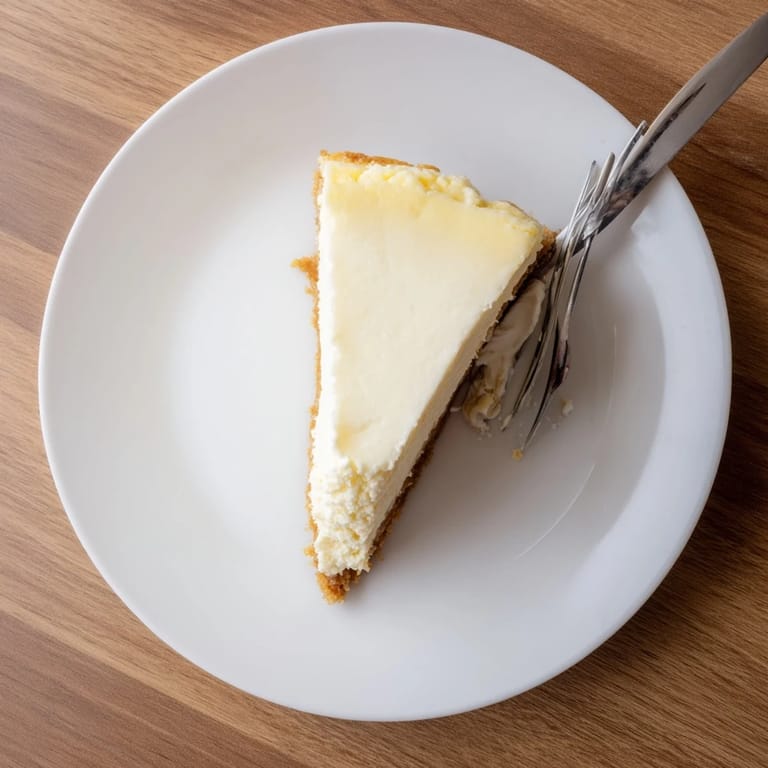
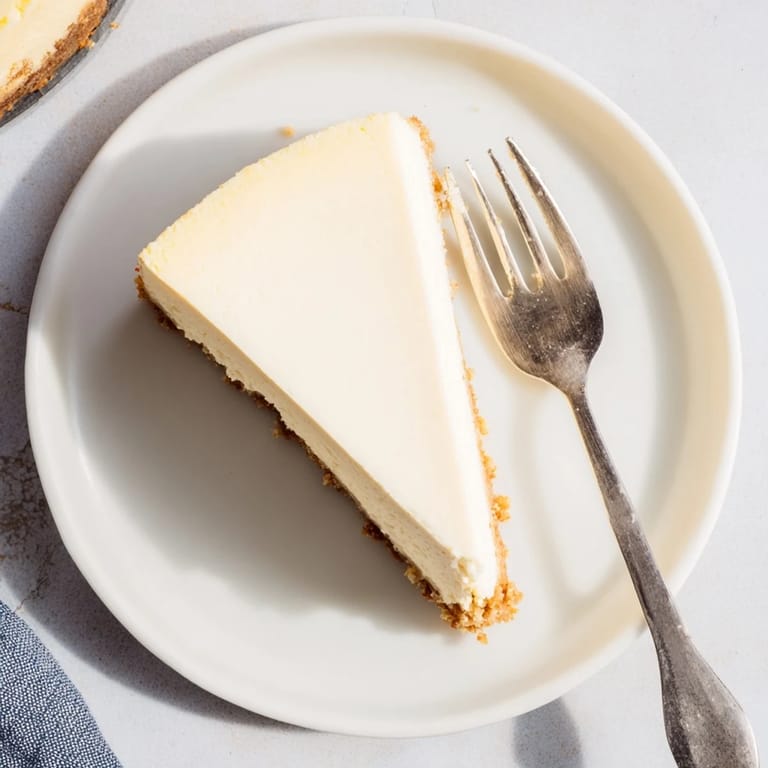
- Use a hot, clean knife for perfect slices, wiping the blade between cuts
 Save
Save There's this moment after you've removed the cheesecake from the oven and cracked the door where you just sit and watch it slowly settle, that gentle jiggle becoming more pronounced as it cools. It's meditative and satisfying, a small victory in the kitchen that feels enormous when you've put this much care into something. Every time I serve this, someone asks for the recipe, and I always laugh because it seems so intimidating but is actually just about patience and respect for the process.
The Water Bath Secret
Wrapping your springform pan in multiple layers of heavy-duty aluminum foil prevents water from seeping in during the long bake. I learned this the hard way when a poorly wrapped pan led to a soggy bottom crust that dissolved into the filling. Three layers crimped tightly around the base has never failed me since.
Getting That Perfect Slice
Dip your knife in hot water and wipe it clean between every single slice for picture-perfect portions. I keep a mug of hot water beside the cutting board, and it makes such a difference in presentation. Cold cheesecake tears and sticks, but a warm blade glides through like butter.
Making It Your Own
The classic version is flawless on its own, but I've discovered that adding swirls of salted caramel or melted chocolate after pouring the filling creates stunning marbled patterns. Fresh berries macerated in sugar make an incredible topping, or you can go traditional with the sweetened sour cream layer mentioned in the recipe.
- Try adding a tablespoon of lemon zest to the crust for extra brightness
- A pinch of espresso powder enhances the chocolate flavor if you go that route
- The cheesecake actually improves in texture after sitting for 24 hours
 Save
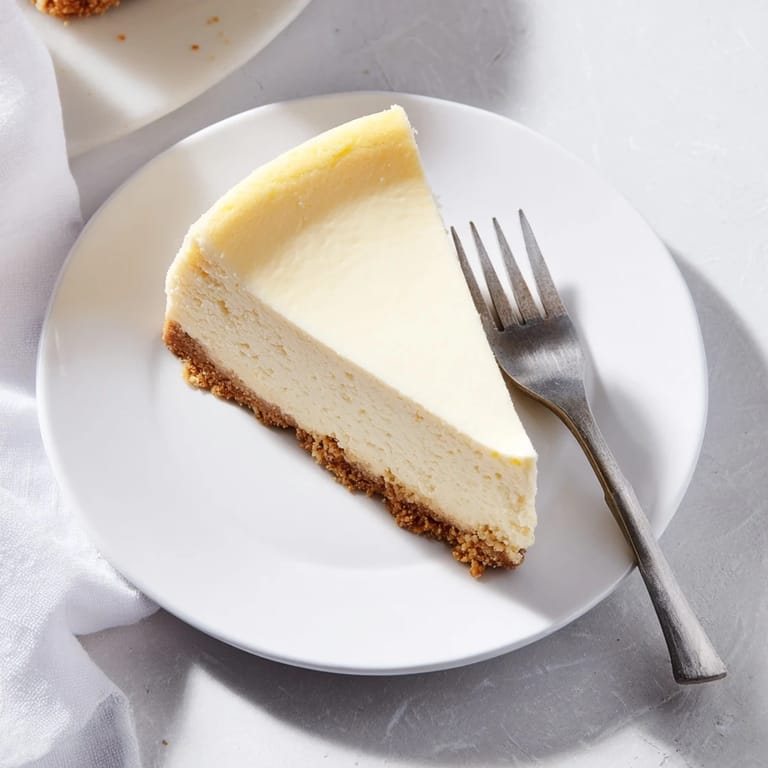
Save This cheesecake has become my go-to for celebrations and quiet Sunday afternoons alike. There's something deeply satisfying about slicing into something this perfect and sharing it with people you love.
Recipe FAQs
- → Why is room temperature ingredient important?
Room temperature ingredients blend smoothly without lumps, ensuring a silky texture. Cold cream cheese creates pockets of unincorporated cheese, while cold eggs can curdle when mixed. Let everything sit out for 30-60 minutes before beginning.
- → What causes cracks in cheesecake?
Cracks typically occur from overmixing (which incorporates too much air), overbaking, or cooling too quickly. The water bath method helps regulate temperature, and the gradual cooling in the oven prevents sudden shrinkage that causes surface cracks.
- → Can I skip the water bath?
While possible, skipping the water bath increases the risk of cracks and uneven baking. The water creates steam and a gentle heat environment that helps the cheesecake cook evenly. If you must skip it, reduce the oven temperature by 15°C and increase baking time slightly.
- → How do I know when the cheesecake is done?
The edges should be set and slightly puffy, while the center still has a gentle jiggle when you shake the pan. It will continue cooking from residual heat as it cools. A completely firm center indicates overbaking.
- → Can I freeze this cheesecake?
Yes, this freezes exceptionally well. Wrap the cooled cheesecake tightly in plastic wrap followed by aluminum foil. Freeze for up to 3 months. Thaw overnight in the refrigerator before serving. Add toppings after thawing for best results.
- → Why does my cheesecake sink in the middle?
Slight sinking is normal as the cheesecake cools and contracts. Significant sinking usually indicates underbaking. The center should still jiggle but not be liquid. Following the cooling instructions helps minimize excessive sinking.