 Save
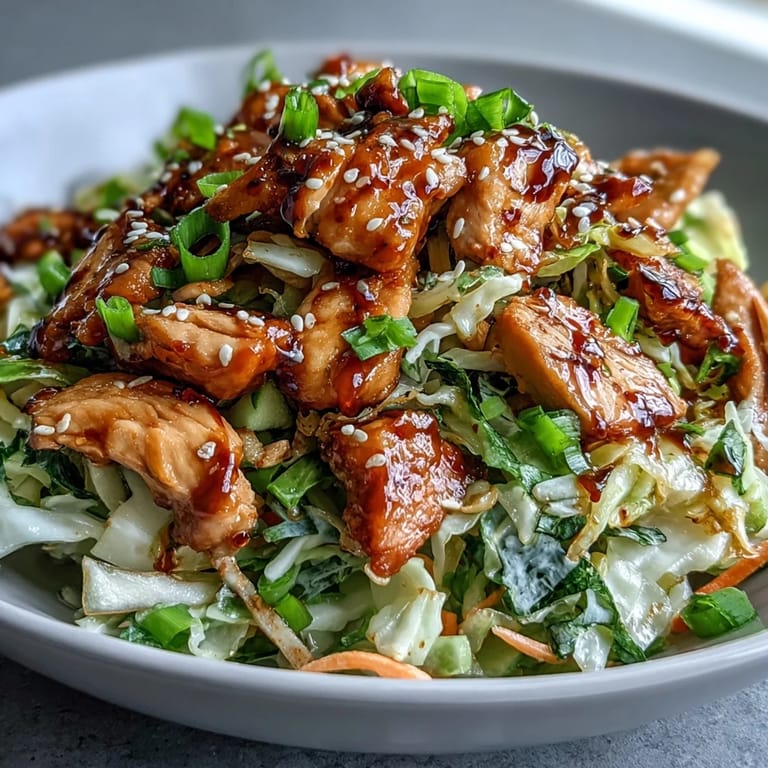
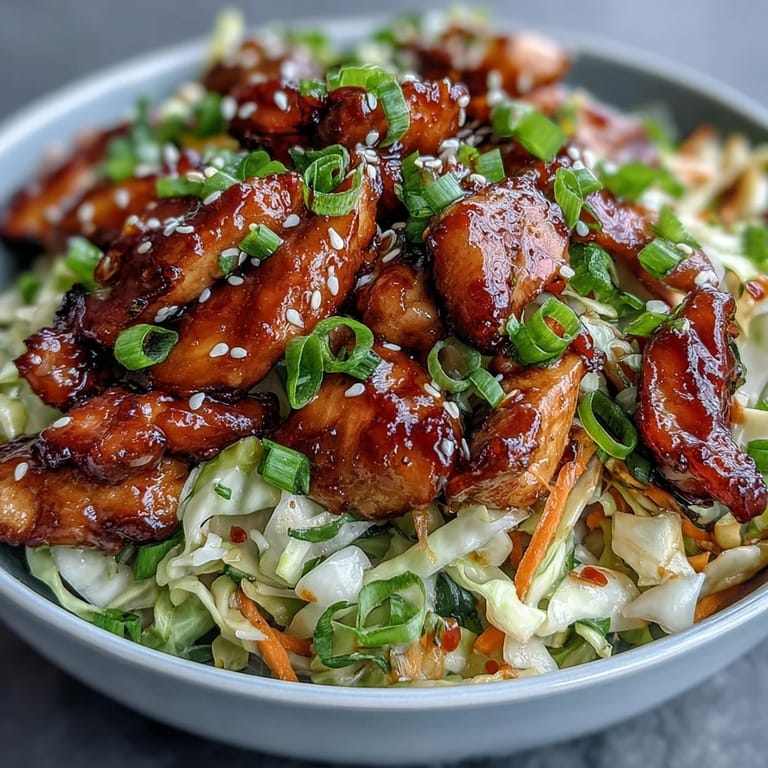
Save My weeknight cooking had fallen into a rut of the same rotation until I tossed sliced chicken into a hot skillet with cabbage one Tuesday evening. The kitchen filled with the smell of ginger and sesame, and I realized I'd accidentally recreated everything I loved about egg rolls without the frying or the wrappers. My husband wandered in, drawn by the aroma, and declared it better than takeout. We've been making these bowls ever since, and they never get old.
I made this for my sister when she stopped by unexpectedly on a busy Thursday. She was skeptical when she saw me pulling out a head of cabbage, but after her first bite she asked for the recipe on the spot. We sat at the kitchen counter with our bowls, talking and laughing while the sesame seeds stuck to our fingers. It reminded me that the best meals don't need much fuss, just good flavors and someone to share them with.
Ingredients
- Boneless, skinless chicken breasts: Slice them thin so they cook quickly and stay tender, and don't worry if the pieces aren't perfect.
- Neutral oil: Vegetable or canola oil can take the high heat without smoking, letting the aromatics shine.
- Yellow onion: It sweetens as it cooks and forms the flavor base that makes everything else taste richer.
- Garlic and ginger: Fresh is essential here because the fragrance they release in hot oil sets the tone for the entire dish.
- Green cabbage: Shred it yourself for the best texture, and it will soften just enough while keeping a satisfying bite.
- Carrots: They add a touch of sweetness and a pop of color that makes each bowl look as good as it tastes.
- Green onions: Slice them on a diagonal for a restaurant-style garnish that adds a fresh, mild onion flavor.
- Low-sodium soy sauce: It gives you control over the saltiness, and you can always add more at the end.
- Rice vinegar: A splash of acidity brightens the sauce and balances the richness of the sesame oil.
- Toasted sesame oil: Use it sparingly because a little goes a long way, and it adds that nutty, toasted flavor you crave.
- Granulated sugar or honey: Just a teaspoon rounds out the sauce and tames any harsh edges from the soy sauce.
- Sesame seeds and chili crisp: These garnishes are optional, but they add texture and a spicy kick that makes every bite more interesting.
Tired of Takeout? 🥡
Get 10 meals you can make faster than delivery arrives. Seriously.
One email. No spam. Unsubscribe anytime.
Instructions
- Prep your ingredients:
- Slice the chicken thinly so it cooks fast, and shred the cabbage and carrots while you're at it. Having everything ready before you start cooking makes the whole process feel smooth and stress-free.
- Heat the oil:
- Pour the neutral oil into a large skillet or wok over medium-high heat and let it shimmer. You want it hot enough that the onion sizzles when it hits the pan.
- Cook the onion:
- Add the sliced onion and stir occasionally for about two minutes until it turns translucent and starts to soften. The edges will pick up a little color, and that's exactly what you want.
- Add garlic and ginger:
- Toss in the minced garlic and grated ginger, stirring constantly for about thirty seconds. The smell will be incredible, and you'll know it's ready when it fills the kitchen.
- Brown the chicken:
- Add the sliced chicken to the pan, season it lightly with salt and pepper, and cook for five to seven minutes, stirring now and then. When there's no pink left and the pieces are lightly browned, you're good to go.
- Push and add vegetables:
- Move the chicken mixture to one side of the pan and add the shredded cabbage and carrots to the empty side. This lets the vegetables cook without steaming, so they stay crisp.
- Soften the vegetables:
- Toss the cabbage and carrots occasionally for three to four minutes until they begin to wilt but still have some crunch. They should look bright and smell sweet.
- Combine everything:
- Mix the chicken and vegetables together in the pan, stirring until they're evenly distributed. It should look colorful and smell like a stir-fry.
- Add the sauce:
- Pour in the soy sauce, rice vinegar, sesame oil, and sugar or honey, then toss everything to coat. Cook for one to two minutes until the sauce clings to every piece.
- Taste and adjust:
- Take a bite and see if it needs more soy sauce, salt, or pepper. Trust your palate, because everyone's taste is a little different.
- Serve it up:
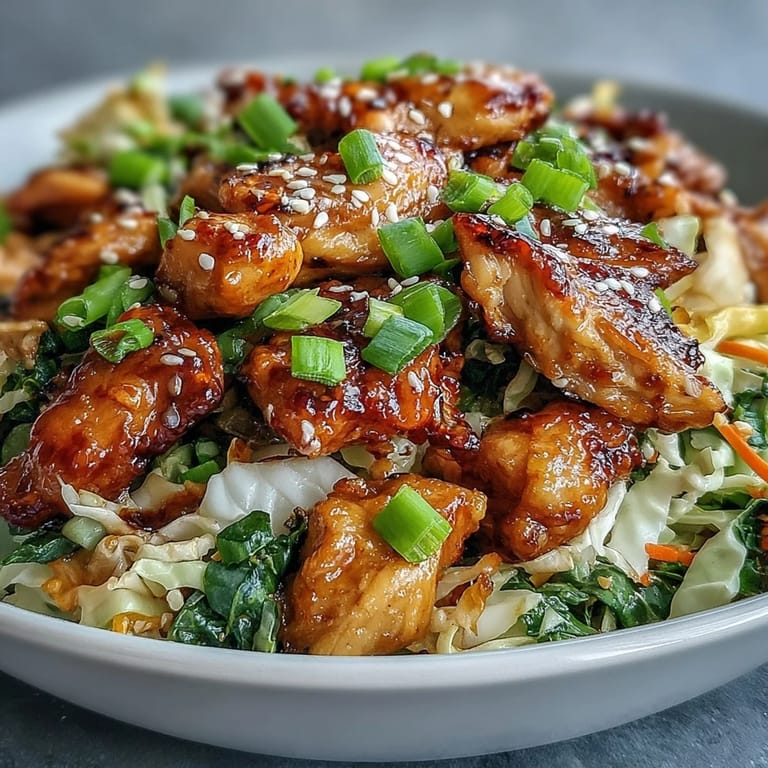
- Remove the pan from the heat and divide the mixture into serving bowls. The steam rising from each bowl is half the appeal.
- Garnish and enjoy:
- Top each bowl with sliced green onions, toasted sesame seeds, and a drizzle of Sriracha or chili crisp if you like heat. Serve immediately while it's still hot.
 Save
Save One night I made this for a friend who was going through a tough week, and she told me later that it was the first meal that felt comforting without being heavy. We sat on the couch with our bowls, and she scraped every last bite from the bottom. Sometimes food is just fuel, but other times it's exactly what someone needs to feel a little better.
Swapping the Protein
I've made this with ground pork when I didn't have chicken, and it turned out just as delicious with a richer, slightly fattier flavor. Ground turkey works well if you want something leaner, and firm tofu is perfect if you press it first and let it brown in the hot oil. Leftover rotisserie chicken is my secret shortcut when I'm too tired to cook from scratch, and it shaves off at least ten minutes of prep time. Just shred it and toss it in at the end so it heats through without drying out.
Serving Suggestions
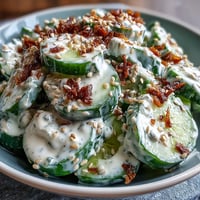
This bowl is complete on its own, but I've served it over steamed jasmine rice when I needed to stretch it for extra guests. Cauliflower rice is a great low-carb option that soaks up the sauce without adding heaviness, and I've even spooned it into lettuce cups for a fun, hands-on meal. A side of pickled cucumbers or a simple cucumber salad adds a refreshing contrast to the savory, slightly sweet flavors. Sometimes I'll fry a sunny-side-up egg and slide it on top, and the runny yolk mixes into the sauce like liquid gold.
Storage and Reheating
Leftovers keep well in an airtight container in the fridge for up to three days, and I've eaten them cold straight from the container more than once. When you reheat them, add a splash of water or soy sauce to the pan to bring back some moisture, because the cabbage can dry out a little. The flavors deepen overnight, so don't be surprised if the next day's lunch tastes even better than the original dinner.
- Store the garnishes separately so the sesame seeds and green onions stay fresh and crunchy.
- Reheat gently over medium heat to avoid overcooking the chicken and turning it rubbery.
- This doesn't freeze well because the cabbage gets watery when thawed, so plan to eat it within a few days.
 Save
Save This recipe has become my go-to whenever I need something fast, flavorful, and flexible enough to use whatever I have on hand. I hope it finds a spot in your weeknight rotation, too.
Recipe FAQs
- → Can I make this ahead of time?
Yes, prepare the ingredients in advance and store them separately in the refrigerator. Cook everything when ready to eat, or make the full dish and reheat gently—the vegetables will soften slightly but flavors will deepen overnight.
- → What protein substitutes work well?
Ground pork or turkey brown beautifully and absorb the soy-sesame glaze. Firm tofu cubed and pan-fried until golden adds plant-based protein. Leftover rotisserie chicken shreds easily for a 15-minute shortcut.
- → How do I prevent the cabbage from getting soggy?
Cook the vegetables just 3-4 minutes over medium-high heat until they soften but still retain crunch. Avoid overcrowding the pan, which causes steaming instead of searing. Serve immediately for the best texture.
- → Is this gluten-free?
Use gluten-free tamari or coconut aminos in place of regular soy sauce. All other ingredients naturally contain no gluten. Always check condiment labels for hidden wheat ingredients.
- → What other vegetables can I add?
Shredded Brussels sprouts, bok choy, or snap peas work well. Bell peppers add sweetness, while water chestnuts contribute extra crunch. Keep total vegetable amounts similar to maintain proper sauce coverage.
- → Can I freeze leftovers?
Freeze cooled portions in airtight containers for up to 2 months. Thaw overnight in the refrigerator and reheat in a skillet over medium heat, adding a splash of water or soy sauce to refresh the sauce.