 Save
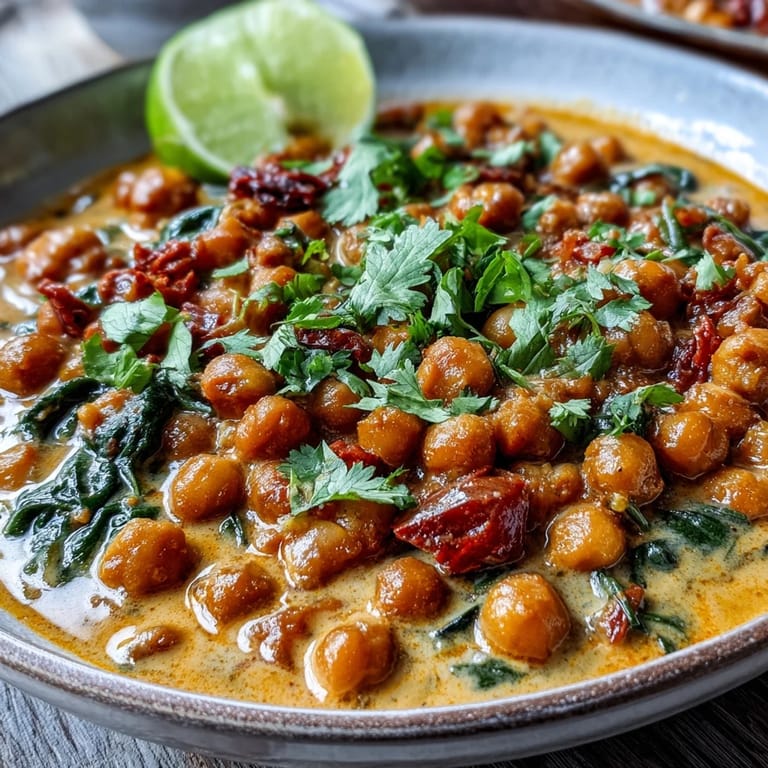
Save My kitchen smelled like a spice market the first time I really got curious about chickpea curry, watching steam curl up from a neighbor's pot through her window on a chilly evening. She'd invited me over casually, almost apologetically, saying she was just throwing something together. What landed on my plate was warm, creamy, and impossibly comforting—the kind of dish that makes you feel cared for without any fuss. I asked for her method that night, and she laughed, saying the real trick was understanding that spices aren't just flavors, they're the backbone of everything. That conversation sparked something, and now this curry is my go-to when I want to feel grounded.
I made this for a friend who'd been going through a rough patch, and she sat at my kitchen counter watching the spices toast, asking questions about each one. By the time we sat down to eat, something about the ritual of it had shifted her mood entirely—not because of magic, but because we'd slowed down together. She's made it three times since then, and texts me photos from her own kitchen.
Ingredients
- Vegetable oil (2 tbsp): This is your foundation, and it needs to be hot enough to coax out the flavors without burning anything—I learned this the hard way with butter that browned too quickly.
- Large onion, finely diced: Don't rush the dicing; uniform pieces cook evenly, and the sweetness that emerges from a proper sauté is non-negotiable.
- Garlic (3 cloves, minced) and ginger (1-inch piece, grated): These two are a partnership—neither one dominates, but together they create this warm, slightly spicy undertone that anchors the whole dish.
- Ground cumin (2 tsp): Cumin brings earthiness; it's the spice I reach for when I want something to taste intentional but not aggressive.
- Ground coriander (2 tsp): Coriander is subtle and slightly citrusy, balancing the deeper spices without competing with them.
- Ground turmeric (1 tsp): Beyond color, turmeric adds a gentle warmth and is beloved for a reason—it ties everything together.
- Garam masala (1 tsp): This blend contains the soul of the dish; I've switched brands before and noticed the difference immediately.
- Chili powder (1/2 tsp, adjust to taste): Start conservatively here—heat is personal, and it's easier to add than remove.
- Paprika (1/2 tsp): Paprika adds a gentle sweetness and visual warmth without overpowering.
- Salt and freshly ground black pepper: Taste as you go; the salt especially needs to build gradually to hit that perfect balance.
- Chickpeas (2 cans, drained and rinsed): Rinsing removes the starchy liquid, which keeps your curry from becoming gluey and heavy.
- Coconut milk (1 can, full-fat): Full-fat is worth the choice—it creates that luxurious, creamy texture that makes this feel indulgent.
- Diced tomatoes (1 can with juices): The acidity cuts through the richness and adds depth; don't drain them.
- Vegetable broth or water (1/2 cup): This adjusts the consistency to your preference—think of it as your control dial.
- Baby spinach (2 cups, optional): Spinach adds nutrition and a subtle earthiness that plays beautifully with the spices if you choose to include it.
- Lime juice (1 fresh lime): Lime at the end is like hitting refresh; it brightens everything and prevents the dish from tasting heavy.
- Fresh cilantro and lime wedges for garnish: These aren't afterthoughts—they're the final note that makes people remember this meal.
Tired of Takeout? 🥡
Get 10 meals you can make faster than delivery arrives. Seriously.
One email. No spam. Unsubscribe anytime.
Instructions
- Heat your oil and soften the aromatics:
- Warm the oil over medium heat until it shimmers just slightly, then add the diced onion. Let it sit undisturbed for a minute before stirring—this is when the magic starts, and you'll smell the sweetness beginning to emerge. Cook for 4 to 5 minutes until the edges are turning golden and the onion feels almost translucent when you test a piece with your spoon.
- Build the flavor foundation:
- Add the garlic and ginger, stirring constantly for exactly one minute. The moment you add them, the whole kitchen transforms—that's your signal you're on the right track. If it smells anything less than amazing at this point, you haven't burned them, and that's all that matters.
- Toast the spices:
- Add all the spices at once, and here's where patience pays off—stir constantly for one full minute without looking away. The spices will darken slightly and smell impossibly good, almost nutty. This step is crucial because it wakes up the spices and prevents them from tasting raw or flat.
- Build the curry:
- Add the chickpeas, tomatoes with their juices, coconut milk, and vegetable broth all at once, stirring thoroughly to make sure nothing sticks to the bottom. The mixture will look loose at first, which is exactly right. Bring it to a gentle simmer—you want small bubbles breaking the surface regularly, not a rolling boil that splashes.
- Let it simmer and meld:
- Cover the pot, reduce heat to medium-low, and let it cook for 15 minutes, stirring occasionally. This is when the flavors marry and deepen. Uncover and add the spinach if you're using it, stirring gently until it wilts in about 2 to 3 minutes.
- Finish with brightness:
- Squeeze in the fresh lime juice and taste carefully. You might want more salt, another squeeze of lime, or a pinch more chili powder—trust your palate here. Serve immediately while the steam is still rising, garnished generously with cilantro and lime wedges on the side.
 Save
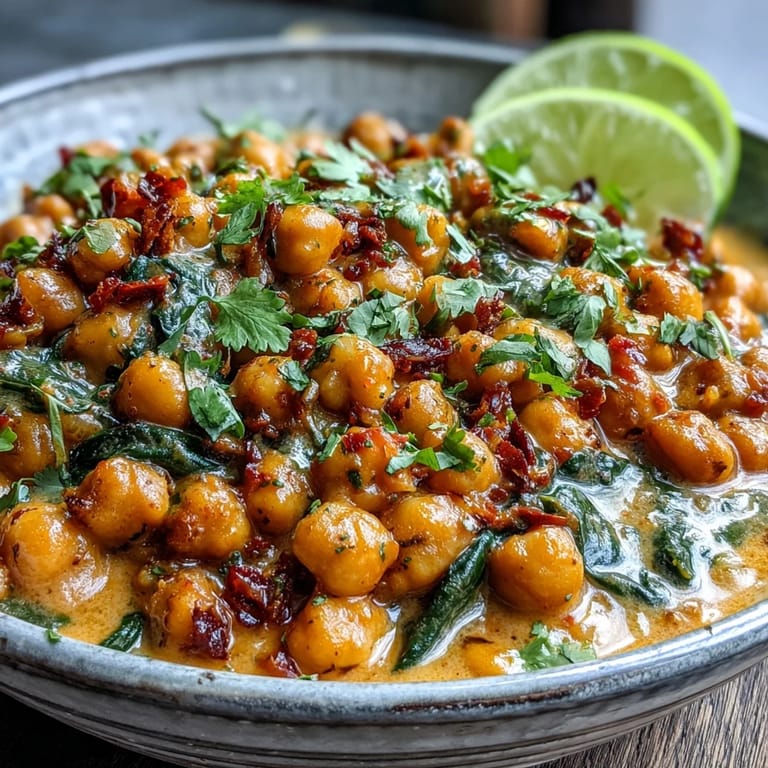
Save This curry has become my answer to almost every question—when someone's tired, when the weather turns cold, when I want to cook without thinking too hard. It's proof that simple doesn't mean boring.
Consistency and Texture
The thickness of your curry depends entirely on how long you simmer it uncovered at the end. If you like something pourable and soup-like, skip the final uncovered minutes and serve it in bowls with rice to catch the sauce. If you prefer something thicker that clings to each chickpea, simmer uncovered for 5 to 8 minutes longer, watching as the liquid reduces and concentrates into something more luxurious.
Customization That Works
I've added roasted sweet potato cubes for sweetness, diced bell peppers for crunch, and even a handful of dried lentils for extra protein. The base is forgiving enough to accept these additions without falling apart. The key is adding vegetables that have similar cooking times so nothing ends up mushy or undercooked.
Serving and Storage
This curry tastes even better the next day once the flavors have had time to settle and deepen. Store it in the refrigerator for up to four days, and it reheats beautifully on the stovetop with a splash of water or broth to restore the consistency. I often find myself making double batches intentionally, just so I have leftovers waiting.
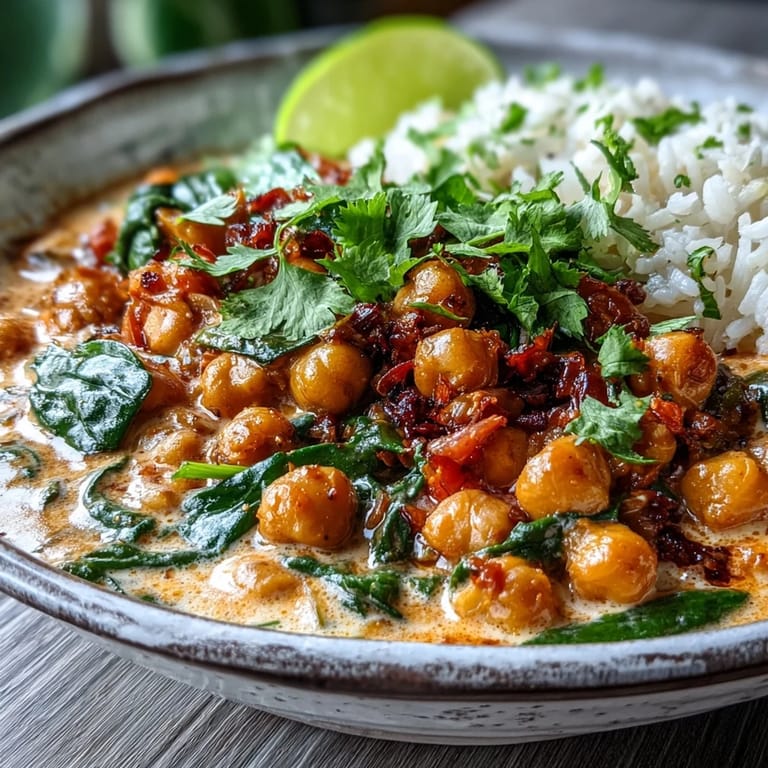
- Pair it with basmati rice, brown rice, or warm naan—each changes the eating experience slightly.
- A dollop of plain yogurt or cashew cream on top adds richness if you want something extra.
- Leftovers can also be blended into a soup or stuffed into flatbread wraps for lunch the next day.
 Save
Save Chickpea curry isn't fancy, but it's the kind of meal that makes you feel like someone cared enough to cook for you. That someone can be you, and it takes less time than you'd think.
Recipe FAQs
- → How can I make this curry thicker?
Simmer uncovered for the last 5-10 minutes to reduce the liquid. You can also mash some chickpeas against the side of the pan to naturally thicken the sauce.
- → Can I add more vegetables?
Absolutely. Diced sweet potato, bell pepper, cauliflower, or green beans work beautifully. Add hearty vegetables like sweet potato during the simmering stage, and quick-cooking vegetables like spinach in the last few minutes.
- → Is this curry freezer-friendly?
Yes, it freezes exceptionally well. Let it cool completely, then store in airtight containers for up to 3 months. Thaw overnight in the refrigerator and reheat gently on the stovetop.
- → What's the best way to adjust the spice level?
Start with less chili powder and add more gradually. For milder flavor, use paprika instead of chili powder. To increase heat, add fresh diced jalapeño or a pinch of cayenne along with the other spices.
- → Can I use dried chickpeas instead of canned?
You'll need about 2 cups cooked dried chickpeas (from 1 cup dried). Soak overnight, boil until tender, then drain and use exactly as you would canned. The cooking time remains the same.
- → What should I serve with this curry?
Basmati rice is classic, but brown rice, quinoa, or cauliflower rice work too. Warm naan, roti, or gluten-free flatbreads are perfect for scooping up the sauce. A simple cucumber raita or fresh mango chutney makes excellent accompaniments.