 Save
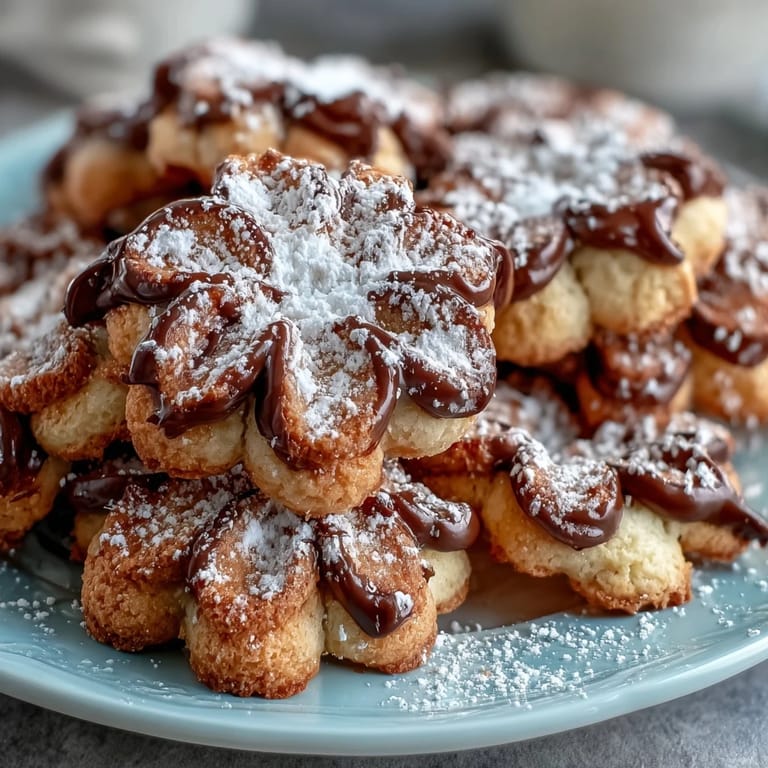
Save My neighbor showed up at the garden gate one spring afternoon with a tin of flower-shaped shortbread, still warm, and I remember thinking how something so simple—butter, sugar, flour—could look like it belonged in a fancy patisserie. She mentioned she'd made them for her daughter's tea party and had extras, but watching her describe the delicate process of rolling and cutting made me realize these weren't fussy at all, just elegant. That tin sat on my kitchen counter for three days before I finally decided to make my own batch, and now they're my answer to every spring gathering and quiet afternoon that needs something special.
Last May, I brought three dozen of these to a community garden workday, and watching people's faces light up when they realized I'd baked them myself was worth every minute of preparation. One of the volunteers asked for the recipe right there, standing by the flower beds with dirt under her nails and powdered sugar on her fingers, and I knew I'd stumbled onto something worth sharing.
Ingredients
- Unsalted butter, softened (1 cup/225 g): Use room temperature butter so it creams smoothly with the sugar—cold butter fights back and leaves your dough grainy.
- Granulated sugar (1/2 cup/100 g): This isn't about sweetness alone; it's what makes the dough tender and helps the cookies develop that golden edge.
- All-purpose flour (2 cups/250 g): Measure by weight if you can, as scooping directly from the bag packs it down and throws off your ratio.
- Cornstarch (1/4 cup/30 g): This is the secret ingredient that gives shortbread its signature tender crumb—don't skip it or substitute.
- Fine sea salt (1/4 tsp): A small pinch brings out the butter flavor and keeps everything from tasting one-dimensional.
- Vanilla extract (1 tsp): Pure vanilla makes a noticeable difference in flavor, though you could also try almond extract for a different mood.
- Sanding sugar or edible flowers (optional): These decorations should go on before baking so they stick; powdered sugar and icing work better after the cookies cool.
Tired of Takeout? 🥡
Get 10 meals you can make faster than delivery arrives. Seriously.
One email. No spam. Unsubscribe anytime.
Instructions
- Prepare your workspace:
- Heat your oven to 350°F and line two baking sheets with parchment paper—this gives you room to work without crowding and prevents sticking.
- Cream the butter and sugar:
- Beat them together for about two minutes until the mixture turns pale and fluffy, which means you're incorporating air that will make the cookies tender. You'll see it transform from a grainy paste into something light enough to hold peaks.
- Add vanilla and combine dry ingredients:
- Stir in the vanilla, then in a separate bowl whisk together flour, cornstarch, and salt so the baking soda and salt distribute evenly throughout.
- Bring the dough together:
- Add the dry mixture to the butter slowly, stirring just until combined—overworking develops gluten and turns your shortbread tough instead of tender. Stop as soon as you don't see dry streaks of flour.
- Roll and cut the dough:
- Lightly flour your counter and roll the dough to about 1/4 inch thick, then use your flower cutter to cut shapes, leaving about an inch between each cookie on your prepared sheets. The dough should feel smooth and easy to work with; if it's sticky, chill it for ten minutes.
- Add decoration before baking:
- Sprinkle sanding sugar or gently press edible flower petals onto the surface now, so they stick during baking.
- Bake until golden at the edges:
- Watch carefully—shortbread bakes fast and you want just a hint of golden color at the edges while the centers stay pale. This takes about 12 to 15 minutes depending on your oven.
- Cool gently:
- Let them rest on the baking sheet for five minutes so they firm up slightly, then transfer to a wire rack where they'll crisp up as they cool completely.
- Finish decorating if desired:
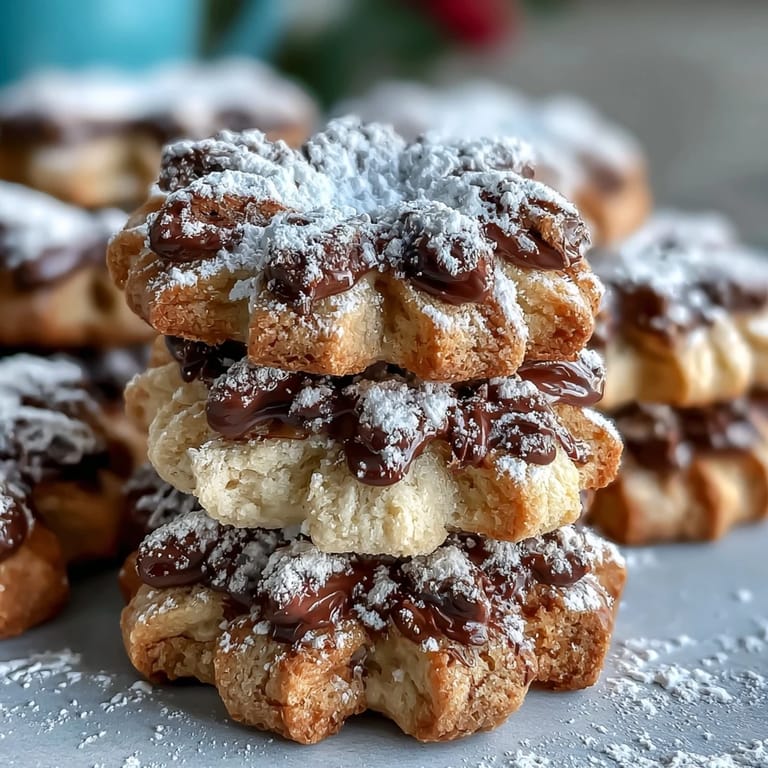
- Once cool, dust with powdered sugar or pipe on pastel icing for a springtime look.
 Save
Save There's something about sitting with someone over a plate of homemade shortbread—no pretense, just butter and good conversation. A friend once told me these cookies reminded her of her grandmother's kitchen, and suddenly they meant something beyond taste. Now when I make them, I think about all the hands that will hold them and all the moments they'll be part of.
The Magic of Shortbread Texture
The reason shortbread has that distinctive sandy, melting quality is the ratio of fat to flour—you're using almost as much butter as flour, which is wild to think about until you taste it. The cornstarch also breaks up the gluten network, which would otherwise create chewiness, and instead you get something that literally dissolves on your tongue. This is one of those cases where less technique is actually better; the less you handle the dough, the better the texture turns out.
Flavor Variations That Work
The base recipe is beautiful on its own, but I've experimented enough to know where you can gently shift the flavor without losing the classic shortbread identity. Citrus zest—lemon or orange—brightens everything without making it taste like a different cookie, and even half a teaspoon of cardamom powder adds an unexpected warmth that people can't quite identify until you tell them. I once made a batch with a tiny bit of lavender extract and served them at a garden party, and they became the conversation starter of the afternoon.
Storage and Making Ahead
These cookies actually taste better the next day once the flavors settle, so you can bake them a day or two ahead and store them in an airtight container at room temperature. If you want to get ahead even further, you can roll out the dough, cut the shapes, and freeze them on a baking sheet, then bake directly from frozen adding just a couple extra minutes to the baking time. They'll keep for up to a week, though they've never lasted that long in my house.
- Room temperature storage in an airtight container keeps them fresh and crispy for five to seven days.
- Freeze unbaked cut cookies on a sheet, then transfer to a freezer bag for up to three months.
- Don't refrigerate baked shortbread as the moisture in the fridge will soften them—room temperature or freezer only.
 Save
Save Shortbread is one of those recipes that reminds you why people have been making the same things for generations. Make these once, and you'll understand why.
Recipe FAQs
- → How can I make the shortbread more flavorful?
Adding finely grated lemon or orange zest to the dough brightens the buttery flavor with citrus notes.
- → What tools are needed to shape the cookies?
A flower-shaped cookie cutter and rolling pin are essential for creating uniform, delicate shapes.
- → Can I decorate the shortbread cookies?
Yes, sprinkle sanding sugar or press edible flower petals onto the dough before baking, or dust with powdered sugar or pastel icing after cooling.
- → What is the best way to store these cookies?
Keep them in an airtight container at room temperature to maintain crispness for up to one week.
- → Are these cookies suitable for a vegetarian diet?
Yes, they contain no meat or animal-derived gelatin, fitting vegetarian preferences.
- → How do I avoid overworking the dough?
Mix the dough just until ingredients combine to retain a tender texture and prevent toughness.