 Save
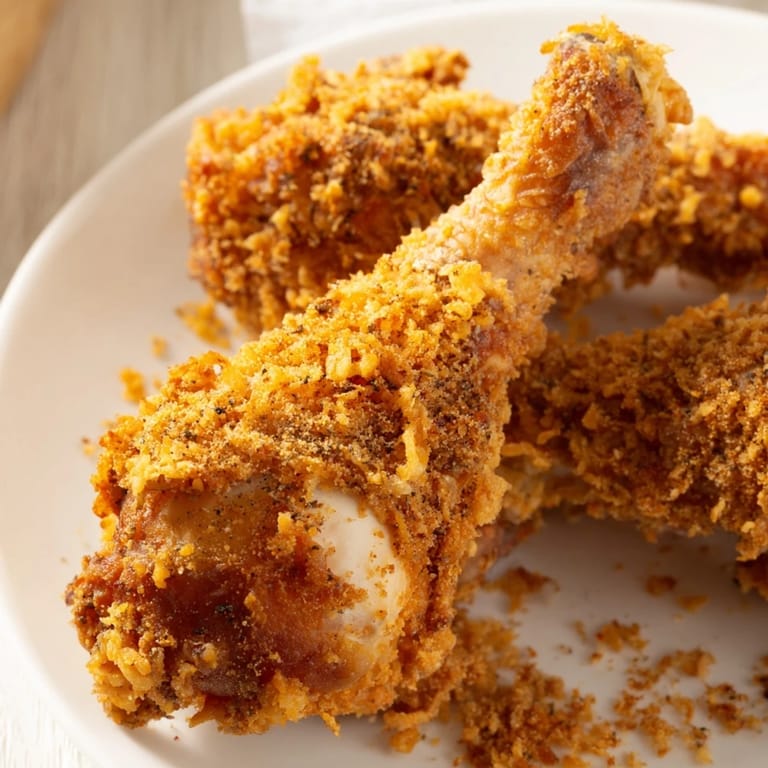
Save The first time I made fried chicken properly, I stood in my tiny apartment kitchen watching oil bubbles like they were telling me secrets. My roommate kept wandering in, drawn by that unmistakable scent that makes neighbors pretend they accidentally knocked on your door. We ate standing up, burning our fingers, reaching for pieces with paper towels still wrapped around our hands. That night taught me that perfect fried chicken is worth every splattered stove and every extra minute of cleanup.
Last summer my daughter asked me to teach her how I make chicken, and watching her flour dusted face concentrating so seriously brought back memories of my own grandmother standing over a cast iron skillet. We made such a mess, flour everywhere, laughing when a piece of chicken slipped and splashed oil on the floor. That afternoon wasnt really about the chicken, though we ate every crispy piece. It was about passing down something that cant be written down properly, that feel for when the oil is just right.
Ingredients
- Chicken pieces: Skin on is non negotiable here, it becomes the best part, and go for drumsticks and thighs if you want the juiciest results that stay tender through frying
- Buttermilk: This isnt optional, the acidity tenderizes and the thickness helps your coating stick, plus it adds that subtle tang that makes restaurant fried chicken taste different from home versions
- Flour mixture: The combination of garlic and onion powder with smoked paprika creates layers of flavor, and dont skip the thyme, it adds this earthy note that balances everything perfectly
- Vegetable oil: You need something neutral with a high smoke point, and keep at least a liter on hand because you want that chicken swimming, not crowded
Tired of Takeout? 🥡
Get 10 meals you can make faster than delivery arrives. Seriously.
One email. No spam. Unsubscribe anytime.
Instructions
- Marinate overnight:
- Whisk buttermilk with salt, pepper, paprika and cayenne until combined, then submerge chicken pieces completely. That long soak makes the difference between good and unforgettable.
- Build your coating station:
- Mix flour with garlic powder, onion powder, thyme, smoked paprika, salt and pepper in a wide bowl, making sure everything is evenly distributed.
- Coat for maximum crunch:
- Lift chicken from buttermilk, let the excess drip off for a second, then press firmly into flour mixture until thickly coated. Place on a wire rack and let it rest for 10 minutes, this helps everything adhere.
- Get your oil ready:
- Heat oil to 175°C, using a thermometer if you have one, and listen for that shimmer that tells you it is approaching the right temperature.
- Fry in batches:
- Carefully lower chicken into hot oil, never crowding the pot, and cook for 12 to 15 minutes, turning when golden. Check that internal temperature hits 75°C for safe eating.
- Rest before serving:
- Let chicken drain on a wire rack for at least 5 minutes, which keeps the crust crispy and lets the juices redistribute throughout the meat.
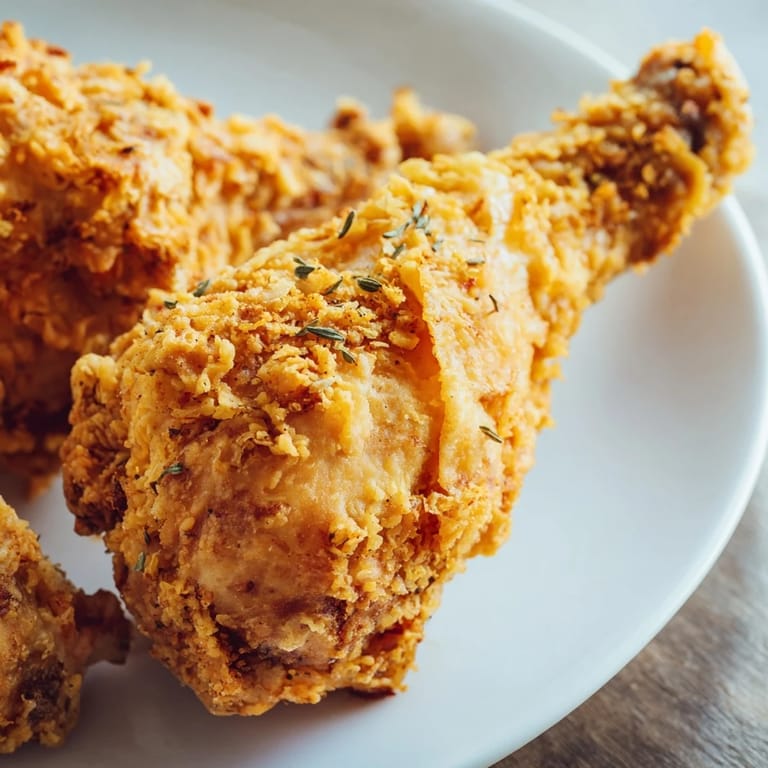 Save
Save My friend Sarah swears she can tell when I am making fried chicken from three houses away. She shows up with coleslaw and potato salad, claiming she was already in the neighborhood, but we both know the truth. Those impromptu feasts, everyone crowded around the kitchen island grabbing whatever piece they want, became the stuff of our friendship legends.
Getting That Crunch Just Right
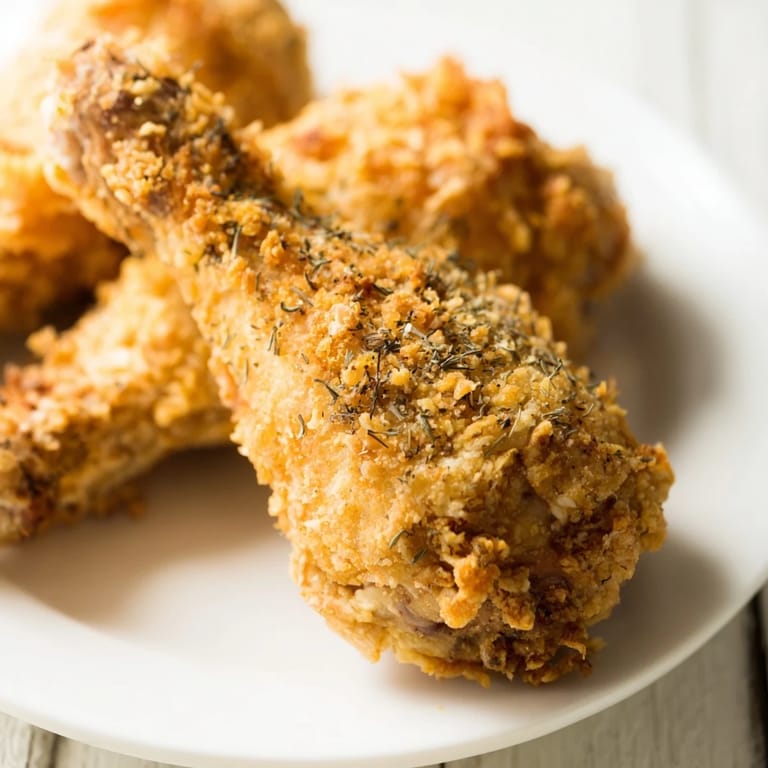
The double coating trick changed my fried chicken game completely. Dip once in flour, back in buttermilk, then flour again creates that shatteringly crispy exterior that makes that sound when you bite into it, the one that makes everyone at the table stop talking for a second.
Oil Temperature Secrets
Too cold and your chicken turns greasy, too hot and the outside burns before the inside finishes. I learned this the hard way, serving undercooked pieces with blackened coating to very polite dinner guests who still asked for seconds. Now I guard that thermometer like it is the most important tool in my kitchen.
Make It Your Own
Sometimes I add extra cayenne when I am feeling adventurous, or swap in smoked salt for regular salt to deepen the flavor profile. The basic technique stays the same, but small tweaks keep things interesting.
- Try adding a tablespoon of hot sauce to your buttermilk marinade for a subtle kick throughout
- A pinch of sugar in your flour mixture helps with browning without making things sweet
- Let your chicken come to room temperature for 20 minutes before frying for more even cooking
 Save
Save There is something about serving fried chicken that makes ordinary dinners feel like celebrations. Maybe it is the work involved, or the way everyone gathers around the kitchen waiting, but food this good has a way of turning random Tuesdays into memories.
Recipe FAQs
- → How long should I marinate the chicken?
Marinate the chicken in buttermilk seasoning for at least 2 hours, though overnight marination yields the most flavorful and tender results. The longer marination time allows the buttermilk's acidity to break down proteins, ensuring juicy meat throughout.
- → What oil temperature is best for frying?
Maintain your oil at 175°C (350°F) for optimal results. This temperature ensures the coating crisps quickly without burning, while allowing the chicken to cook through completely. Use a kitchen thermometer to monitor accuracy.
- → How can I make the coating extra crispy?
For maximum crunch, try the double-dip method: after the first flour coating, dip the chicken again in buttermilk, then dredge in flour a second time. Additionally, letting the coated chicken rest for 10 minutes before frying helps the coating adhere better.
- → Can I use boneless chicken pieces?
Yes, boneless pieces work well but require adjusted cooking times. Reduce frying time to 8-10 minutes depending on thickness, and always verify the internal temperature reaches 75°C (165°F) for safe consumption.
- → What's the best way to drain fried chicken?
Place the cooked chicken on a wire rack rather than paper towels. This allows air circulation all around, preventing the bottom from becoming soggy while excess oil drips away naturally.
- → What sides complement fried chicken?
Classic pairings include creamy coleslaw, buttery mashed potatoes with gravy, tangy potato salad, or biscuits. For heat lovers, serve with hot sauce or pepper vinegar on the side.