 Save
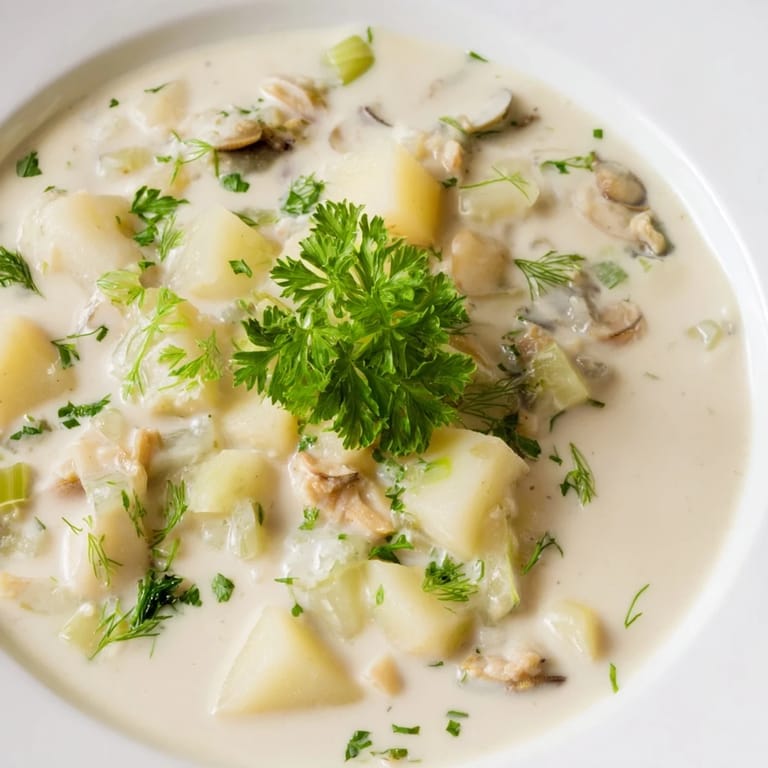
Save The steam hitting my glasses was always the first sign that something good was happening. My grandmother never measured anything when she made chowder, just dumped ingredients into that chipped blue pot she'd had since the seventies. I spent years trying to decode her recipe by watching her hands, noting how she'd pause to smell the steam rising from the pot, adjusting the seasoning with complete confidence. Now whenever I smell that combination of cream, brine, and thyme, I'm eight years old again at her kitchen table.
I once made this for a snowed-in weekend with friends who were skeptical about homemade soup being worth the effort. By the time they'd gone back for third helpings, leaving their bowls practically licked clean, I knew I'd won them over. Something about sharing a pot of chowder while snow piled up outside made the house feel warmer than any restaurant could.
Ingredients
- Fresh clams: The heart of this chowder, nothing compares to that sweet briny flavor you get from steaming them yourself
- Potatoes: Yukon Gold hold their shape beautifully while still becoming creamy enough to thicken the broth naturally
- Heavy cream: Dont skimp here, it's what gives that luxurious silky finish that makes restaurant chowder so memorable
- Clam juice: The liquid gold extracted from steaming fresh clams, this concentrated flavor is non negotiable
- Butter: Unsalted butter gives you control over seasoning and creates the most aromatic base for your vegetables
- Flour: Just enough to create a light roux that thickens without becoming gluey or pasty
- Thyme: Dried thyme adds that subtle earthy note that bridges the gap between cream and seafood
Tired of Takeout? 🥡
Get 10 meals you can make faster than delivery arrives. Seriously.
One email. No spam. Unsubscribe anytime.
Instructions
- Steaming the clams:
- Place fresh clams in a large pot with 240 ml water, cover tightly, and steam over medium heat until they pop open, about 5 to 7 minutes. Discard any stubborn ones that refuse to open, then strain that precious cooking liquid through a fine mesh sieve into a bowl.
- Building the flavor base:
- Melt butter in your large pot over medium heat, then add onion, celery, and carrot. Let them soften and become fragrant for about 5 minutes before adding garlic for just 60 seconds.
- Creating the roux:
- Sprinkle flour over the vegetables while stirring constantly, cooking for 2 minutes to eliminate that raw flour taste.
- Adding the liquids:
- Gradually whisk in clam juice, milk, and water, taking care to work out any lumps before adding potatoes, bay leaf, thyme, salt, and pepper.
- Simmering to perfection:
- Bring everything to a gentle bubble and cook uncovered for 15 to 20 minutes until potatoes yield easily when pierced with a fork.
- The grand finish:
- Fold in chopped clams and heavy cream, letting everything warm through for 5 more minutes before removing the bay leaf and adjusting seasonings.
 Save
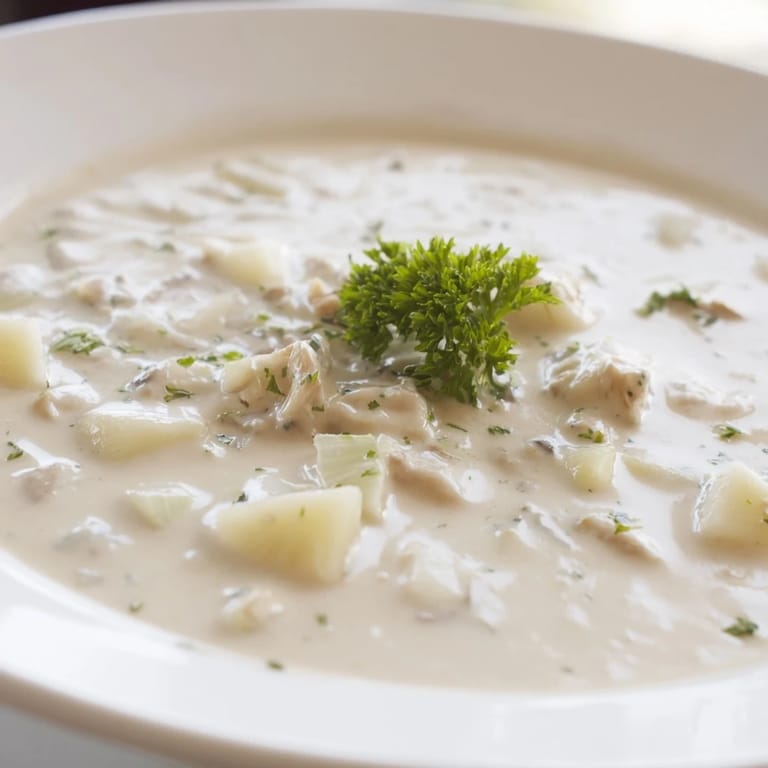
Save This recipe became my go-to comfort food during a particularly brutal winter when nothing else seemed to satisfy. There's something about the ritual of stirring the pot, watching it thicken, and finally ladling that first steaming bowl that makes even the worst day feel manageable.
The Secret To Restaurant Style Thickness
Most home cooks accidentally make chowder too thin because they rush the roux or skip potato mashing. I learned to gently smash a few potato chunks against the side of the pot right before adding cream, releasing starch that thickens naturally without floury taste.
Making It Your Own
Bacon transforms this chowder into something completely different. Sauté chopped bacon first, remove the crispy bits, then use that rendered fat instead of butter to cook your vegetables. The smoky depth it adds will make people wonder what your secret ingredient is.
Serving Suggestions
Oyster crackers are traditional but thick slices of crusty bread elevate this to dinner party status. I've found that a simple green salad with sharp vinaigrette cuts through the richness beautifully.
- Sprinkle extra fresh parsley just before serving to brighten the whole bowl
- Keep extra hot cream handy in case you need to adjust consistency at the end
- This chowder freezes surprisingly well if you leave cream out and add it when reheating
 Save
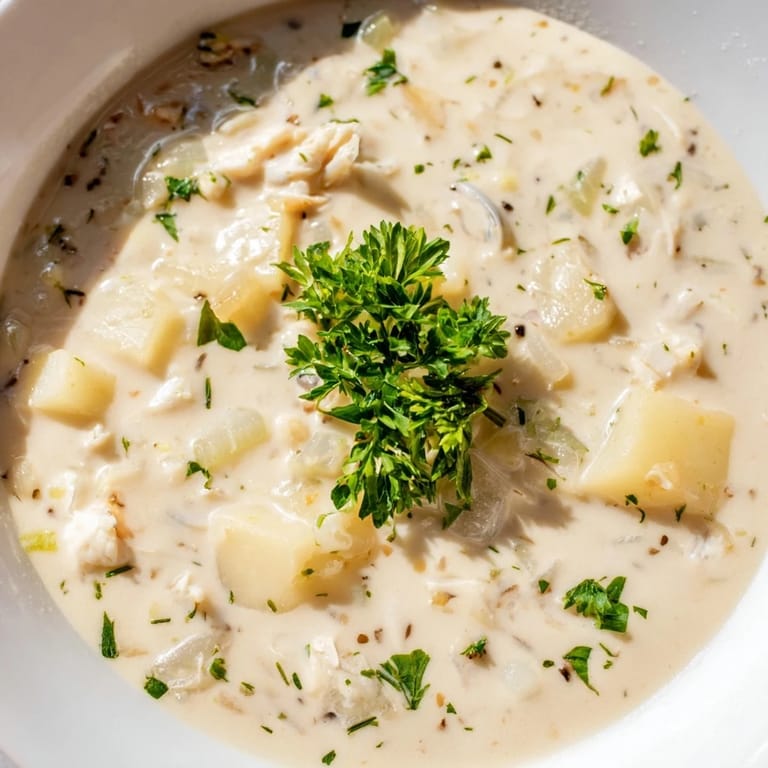
Save There's honestly nothing quite like standing over a steaming pot of chowder, knowing you've created something that will wrap around everyone who tastes it like a warm blanket on a cold day.
Recipe FAQs
- → What makes this New England style chowder authentic?
Traditional New England chowder features a creamy dairy base with fresh clams, potatoes, and onions. The roux-thickened broth creates the signature velvety texture that distinguishes it from Manhattan's tomato-based version.
- → Can I use canned clams instead of fresh?
Absolutely. Canned chopped clams work well - just drain them and reserve the juice to boost the clam flavor in your broth. You'll need about 500g canned clams to substitute for 900g fresh.
- → How do I prevent the dairy from curdling?
Add the cream during the final 5 minutes of cooking and keep the heat at a gentle simmer. Avoid boiling once dairy is incorporated, and consider tempering the cream by warming it slightly before adding.
- → What can I serve with this chowder?
Oyster crackers are the classic accompaniment, but crusty bread, breadsticks, or saltine crackers also work well. For beverages, try a chilled Chardonnay, crisp lager, or dry cider to complement the rich flavors.
- → How long will leftovers keep in the refrigerator?
Stored in an airtight container, leftovers remain fresh for 2-3 days. The flavors often improve overnight. Reheat gently over low heat, adding a splash of milk if needed to restore consistency.
- → Can I make this chowder gluten-free?
Yes, substitute all-purpose flour with a 1:1 gluten-free flour blend or cornstarch. Note that cornstarch is more potent - use about half the amount and dissolve in cold liquid before adding to prevent lumps.